
great ave ruinsFluent in what goes unsaid.
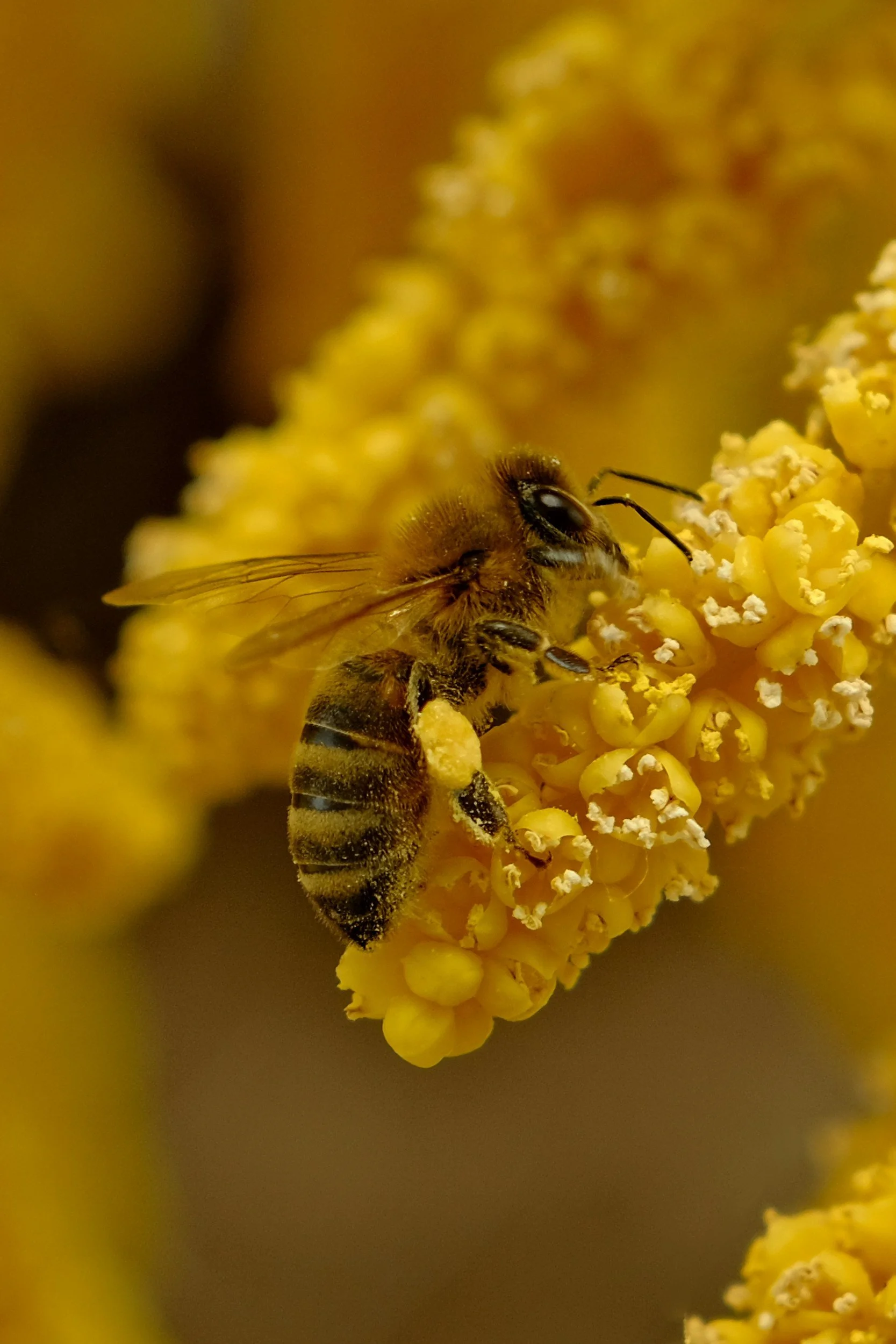
The Waggle Dance of Unlived Sweetness
In 1973, Karl von Frisch deciphered the honeybee's waggle dance, where a worker lives six weeks, visits a million flowers, yields one-twelfth teaspoon of honey she never tastes. Like Dickinson's bee jarring across plush tracks to plunder velvet masonry, hers is motion without interval: sweetness becomes signal before it can settle as its own radiance.
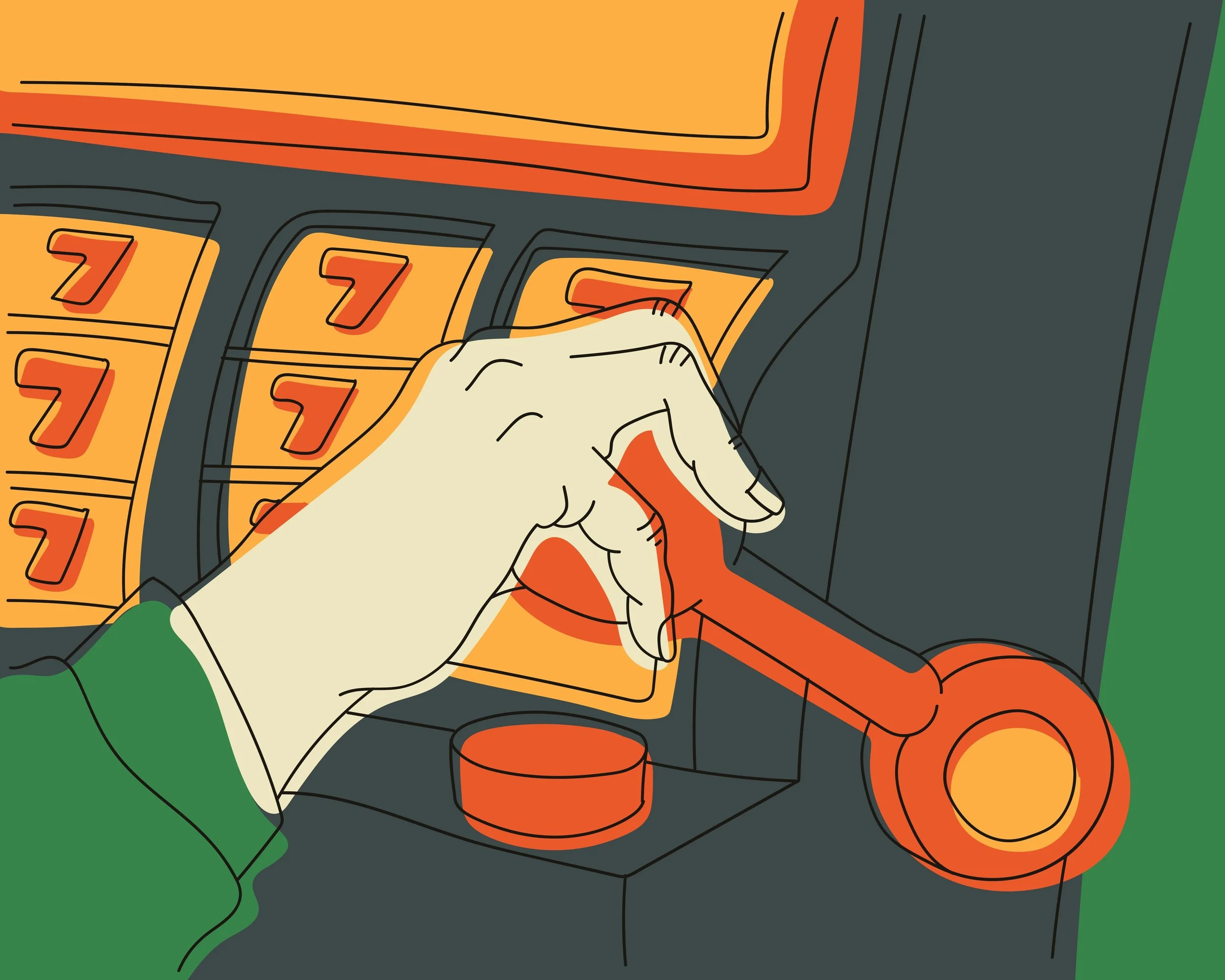
I Have Not Begun
The nervous system, ancient and efficient and not remotely interested in your analysis of it, cannot tell the difference between a pigeon and a person. It only knows that something came before. Something might come again.
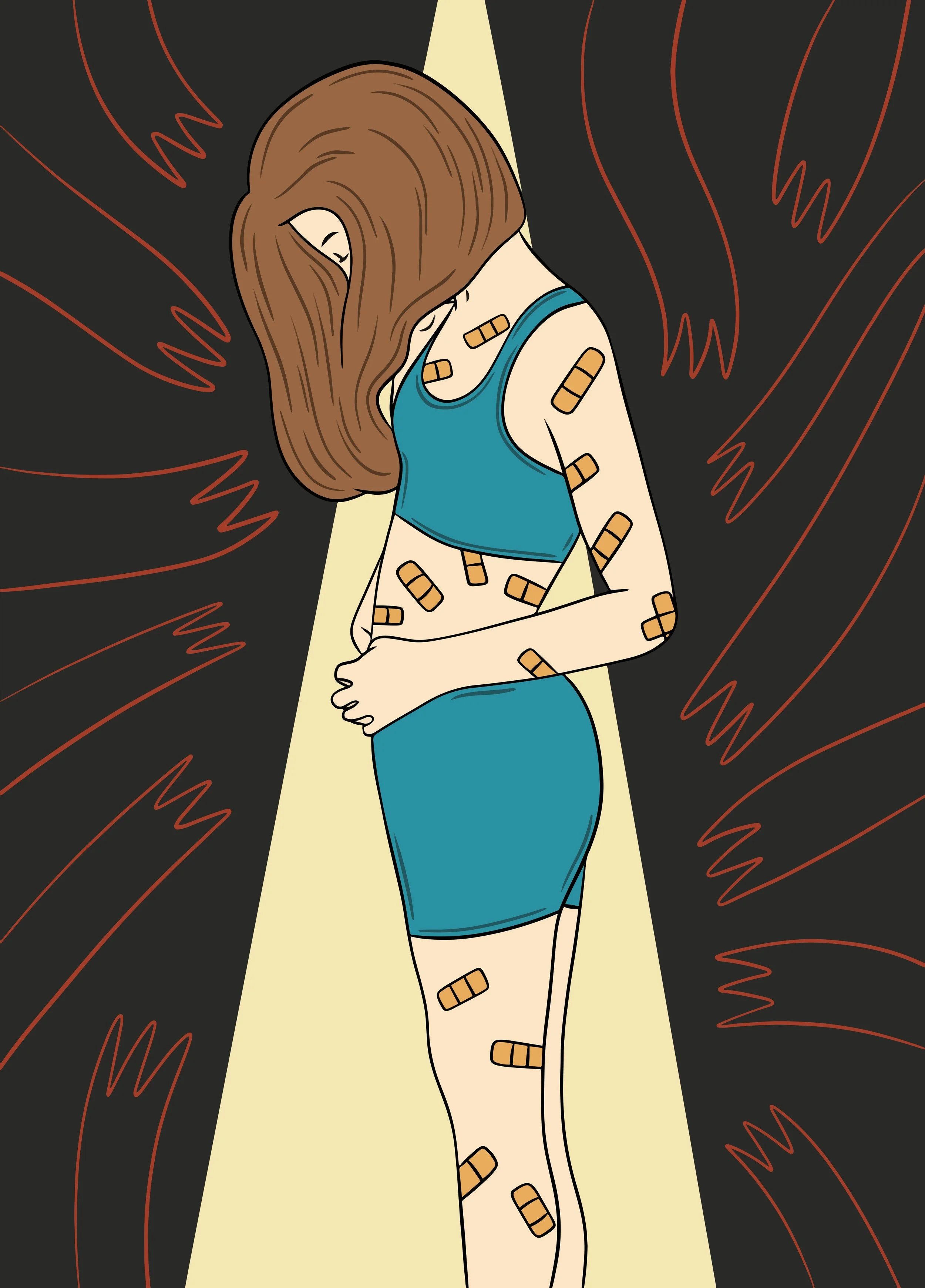
The Cost of Looking Unharmed
The world extends its tenderness to what it can see. Invisible wounds don't come with that grammar. And to be believed, you must explain. You must open the wall again, let the water show itself, pay the cost of telling. We would never ask this of the physical. We would never say: break it again, so we can see.
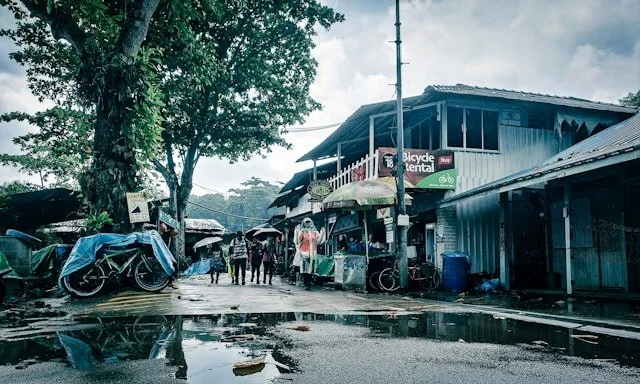
The Useful Ghost: Walking Pulau Ubin
I had come to Ubin expecting to find something slower, softer, more human. And I had found all of that. But underneath it, something I hadn't expected: the faint discomfort of realising that what I was calling slowness was, in fact, curated. That my sense of having escaped, however briefly, had itself been arranged.

The Original Daughter: The Genevieve Problem
I was loaned this novel and found myself inside it. I wasn't sure I wanted to be there, and that discomfort is perhaps why Singaporeans need to be reading this.
The Interior Designer's Seventh Month
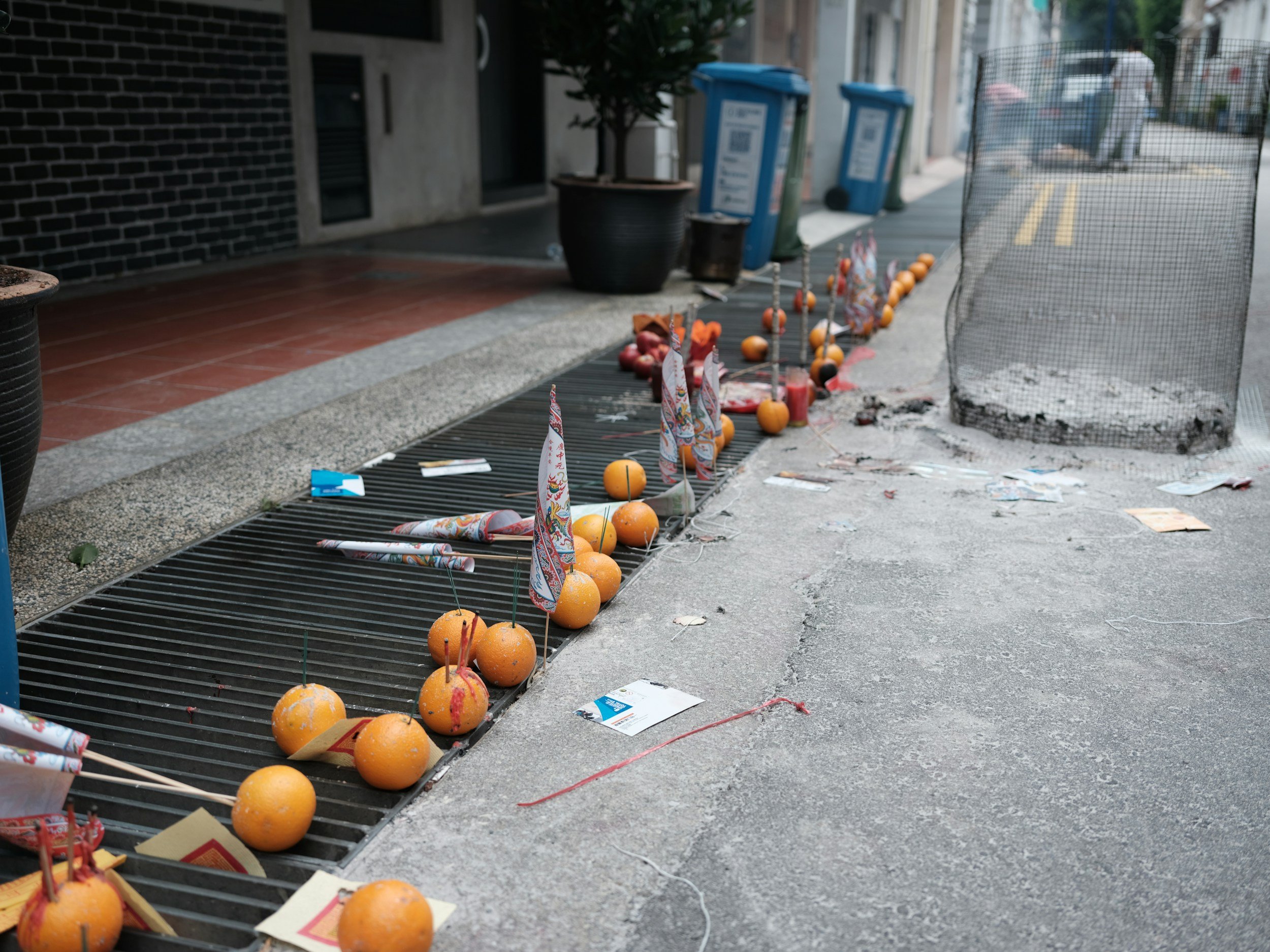
An interior designer's seventh month taught me what we're all missing: a calendar that knows when to stop.
Ed Tronick's Still Face Experiment
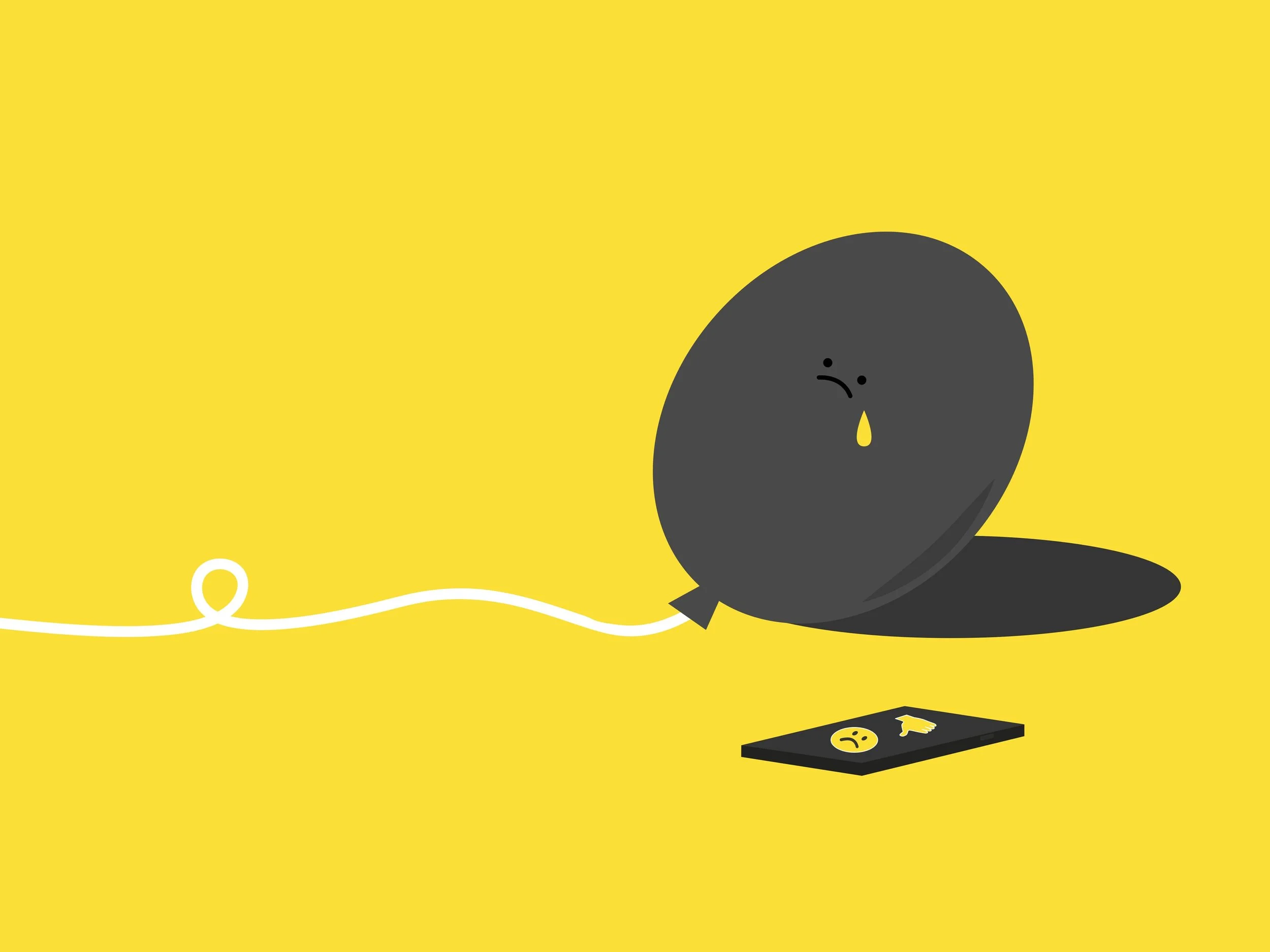
We tend to think of emotional regulation as something we achieve through discipline or maturity or will. Ed Tronick's Still Face Experiment suggests otherwise. What it reveals, in three quiet and devastating minutes, is that we are built for reciprocity; and when the face we reach toward goes still, something in us (eventually) goes still too.

The Cost of the Surface: What HSPs Pay to Appear Okay
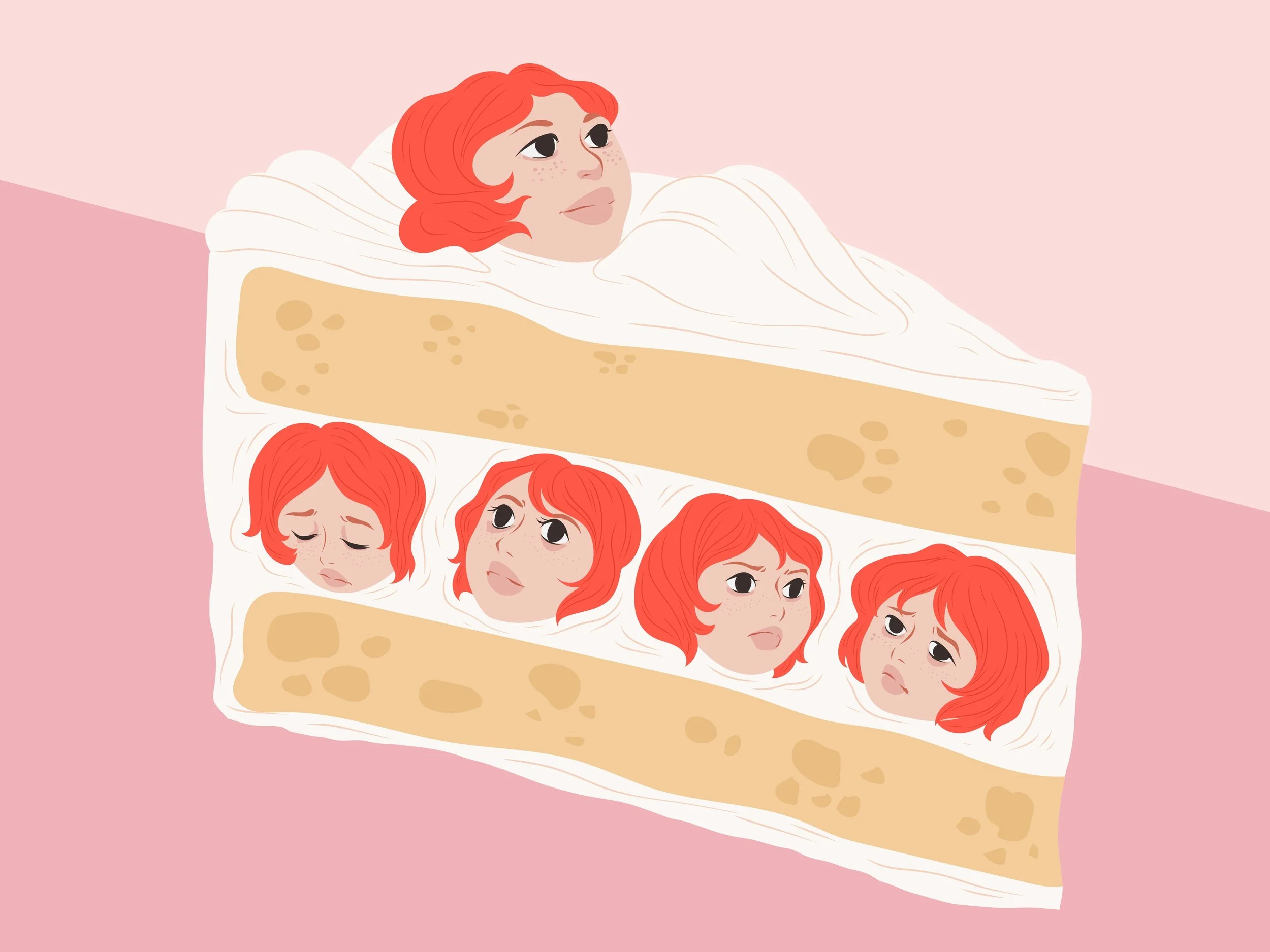
We are all walking around on each other's crusts. Mistaking the managed surface for the person. The cost of holding yourself together so well is that no one knows to hold you.
AI Is the New Reader. What Does That Mean for Writing?
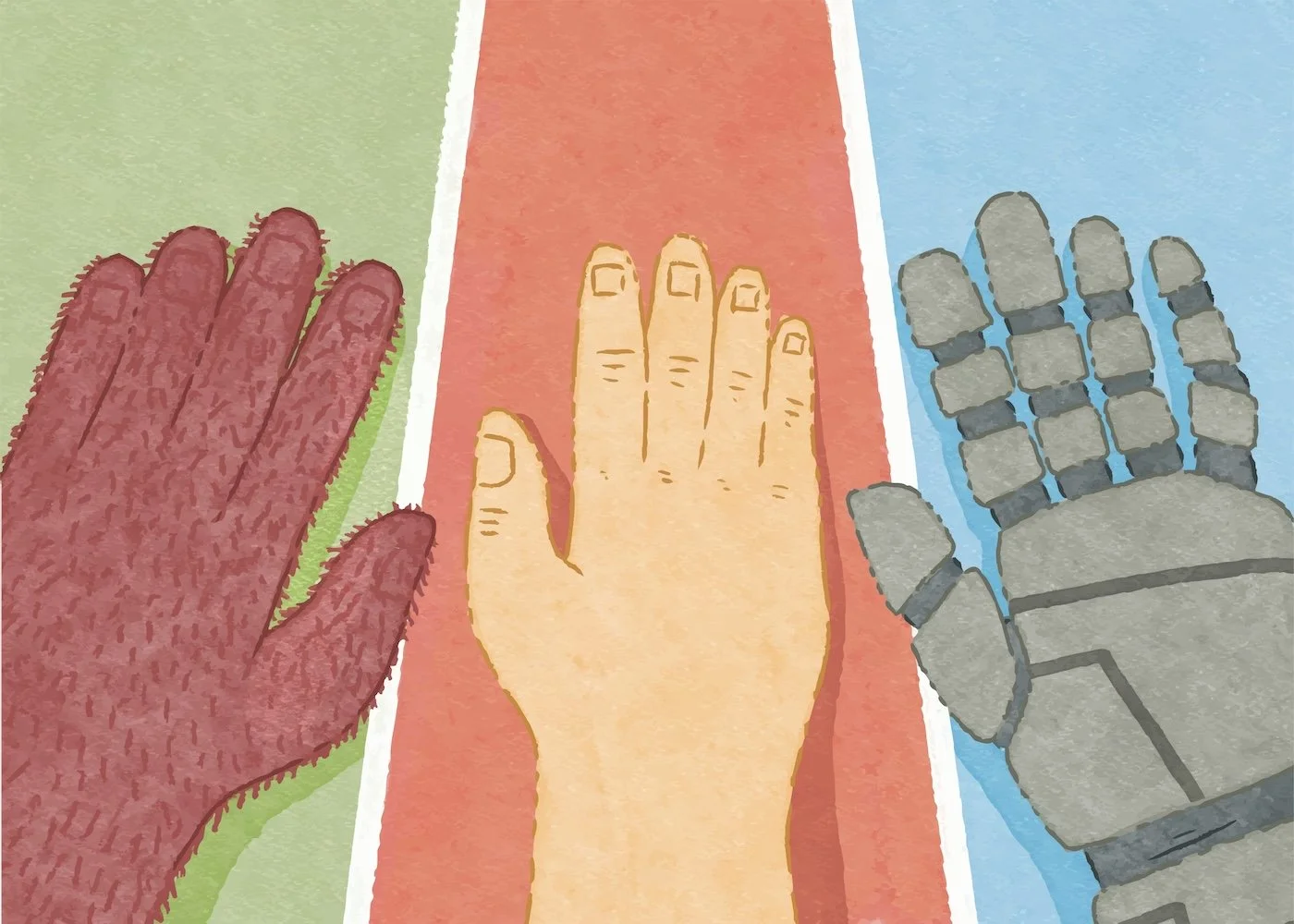
The attention economy has a new audience, and it doesn't care about narrative hooks. For decades, writers have been told to seduce the reader in the first line. Now the most consequential reader in the room gets seduced very differently. The question is whether we can learn its language without forgetting our own.
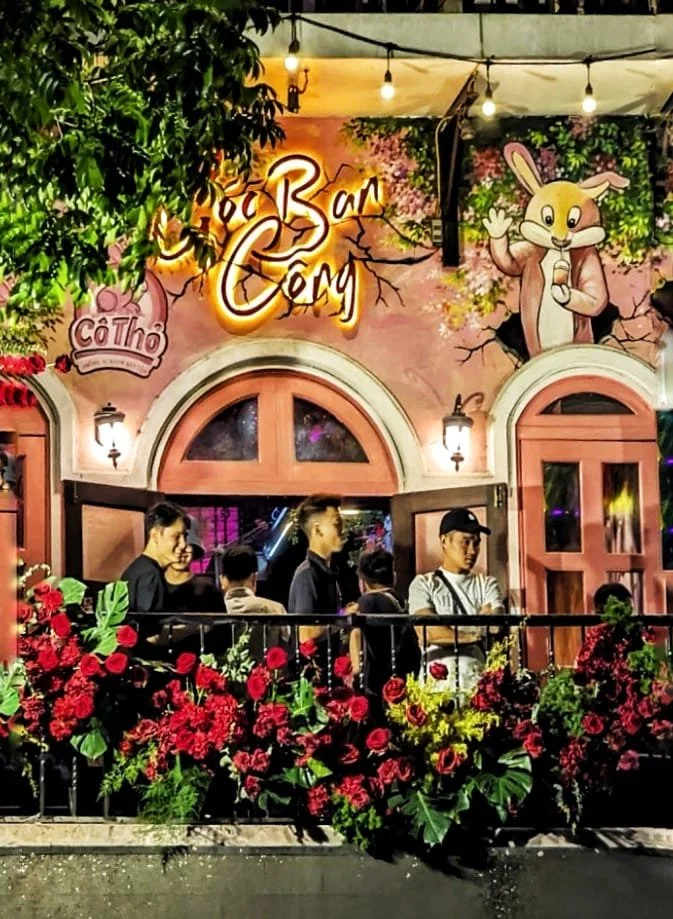
Monsoon Music Festival, Hanoi
We imagine that history happens to places. But history is just the accumulation of presence. Of nights like this one. Of people who came for ordinary reasons and left traces they never intended to leave.

Reddit’s 2026 Creative Trends Report Is Brilliant. It’s Also an Autopsy of Authenticity
Reddit's own creative studio published a trends report that is sharp, well-observed, and, well, unsettling. This is what happens when you read it slowly, and notice what it reveals about authenticity, attention, and the early internet we can't manufacture back.
On Decreation
On the morning of June 18, 1815, Napoleon Bonaparte did something out of character. He waited. His marshals were anxious. The man who had turned speed into a military philosophy was watching the morning burn off. Simone Weil would have recognised this immediately as a failure of attention. And attention, for Weil, was everything.
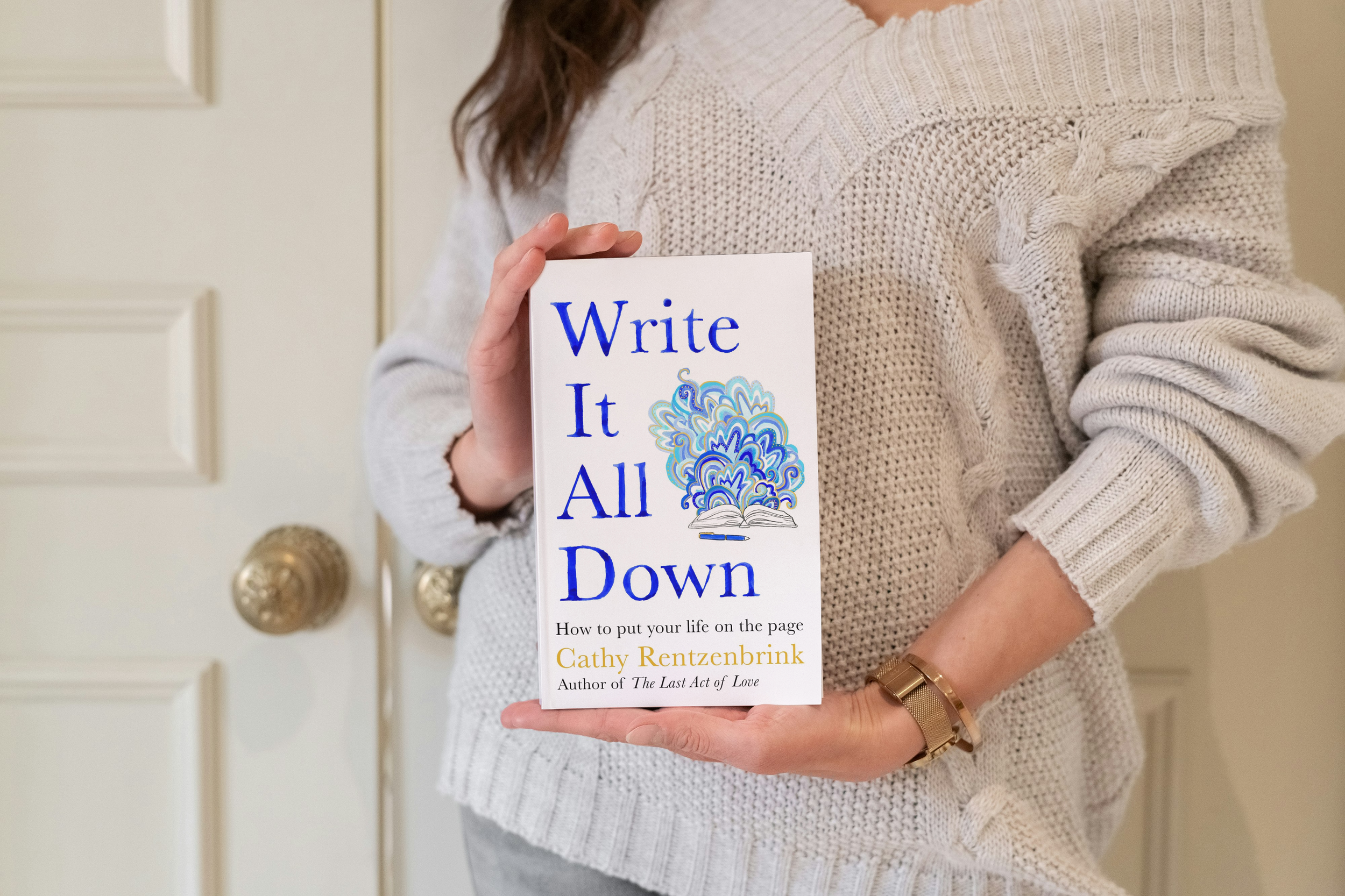
What Survives: On Cathy Rentzenbrink's Write It All Down
Cathy Rentzenbrink's Write It All Down promises solace through memoir writing, but beneath the therapeutic framing lies something older: the basic practice of sustained attention to your own experience. This review excavates what survives the self-help overlay. The craft instruction, the honest admission that writing remains difficult, and the mechanics every memoirist needs. Not therapy.
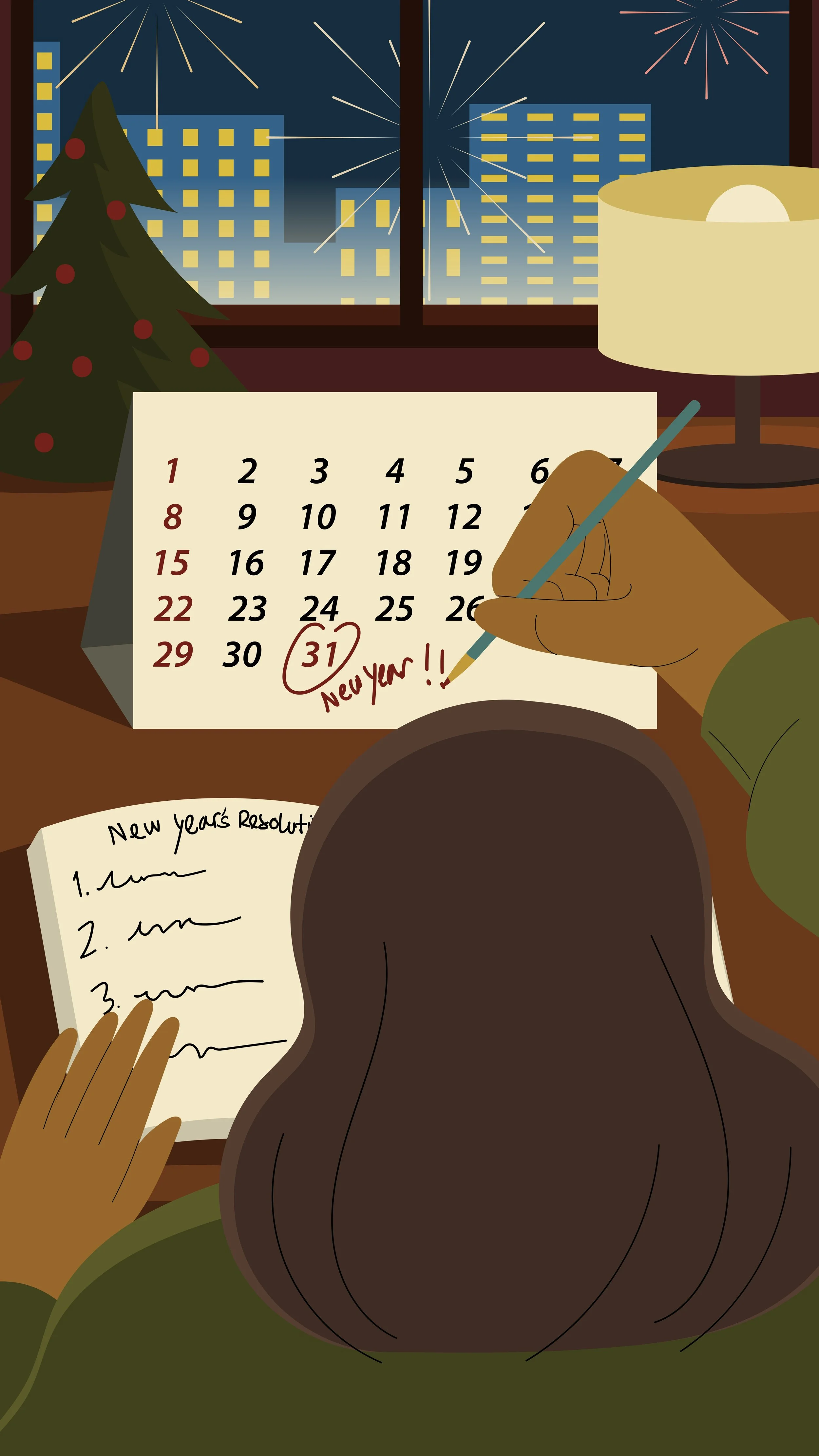
The Absolution of the Calendar: A Study in Behavioural Narrative
A commissioned piece exploring the psychological weight of January. While most content around the New Year focuses on achievement and transformation, this essay argues that January’s true power lies in forgiveness. By leveraging the "Fresh Start Effect," we use temporal landmarks to distance ourselves from past failures.
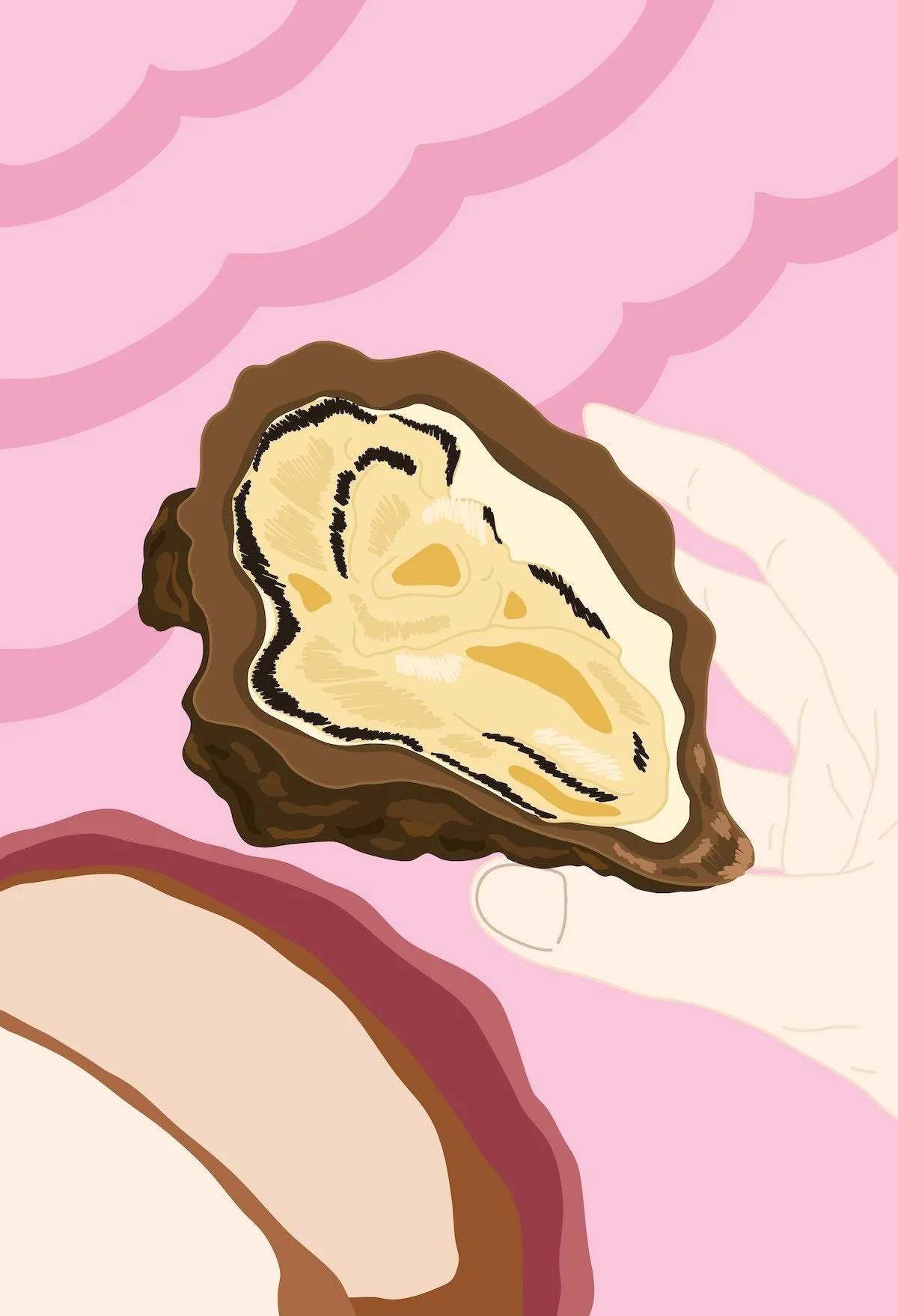
Crudo: How to Unfold Yourself Without Burning the World Down
I keep wondering whether commitment confines us, or gives shape to something larger than the self. What emerges is the friction between the “I” and the “we”. Crudo suggests that love is not resolution, but stamina: the willingness to remain inside the rawness of being seen.

Do Buy, Dubai: Have Your Virtue and Eat It Too
I’ve been thinking about excess that wants to be mistaken for care, curation, almost moral attentiveness. How it borrows the language of virtue, and calls itself intentional, presents itself as edited, curated, almost ethical.
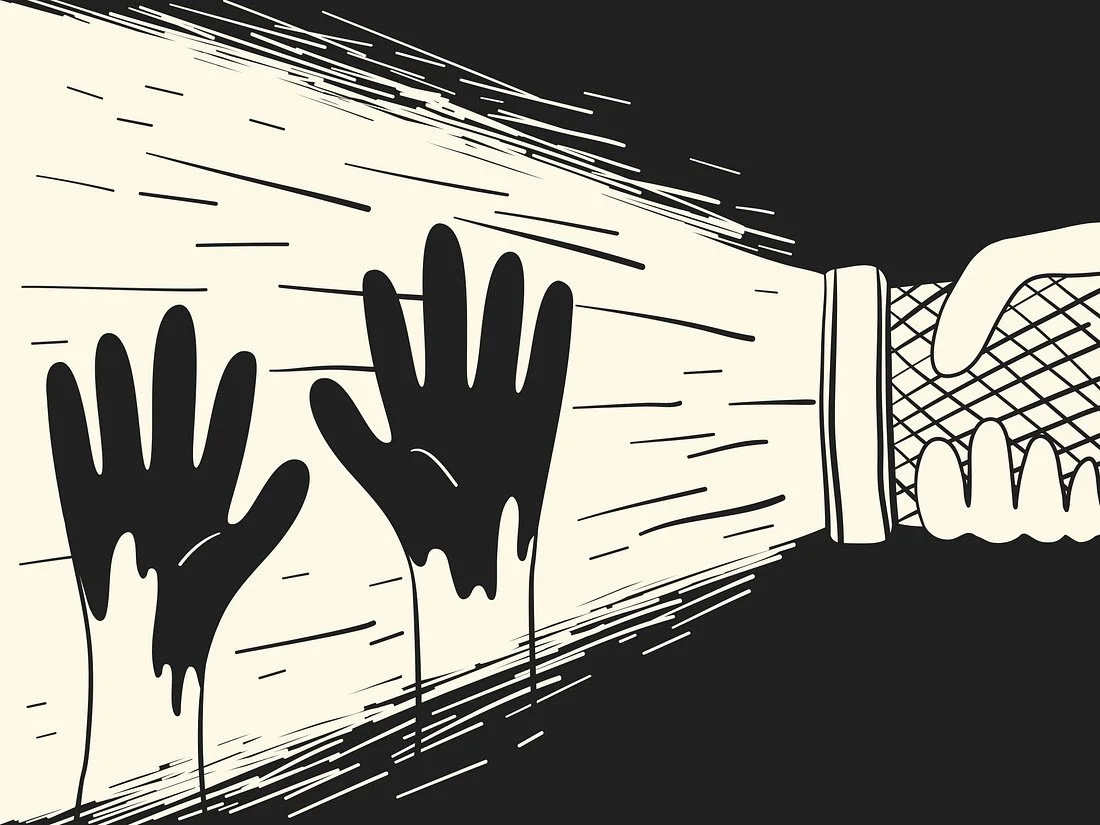
Violence and Aurora Borealis
The Great Alone made me want to understand our appetite for stories about women who endure. What happens when trauma is wrapped in descriptions of northern lights and midnight sun? When violence and beauty occupy the same paragraph, the same breath? Why do millions reach for these narratives of female suffering?
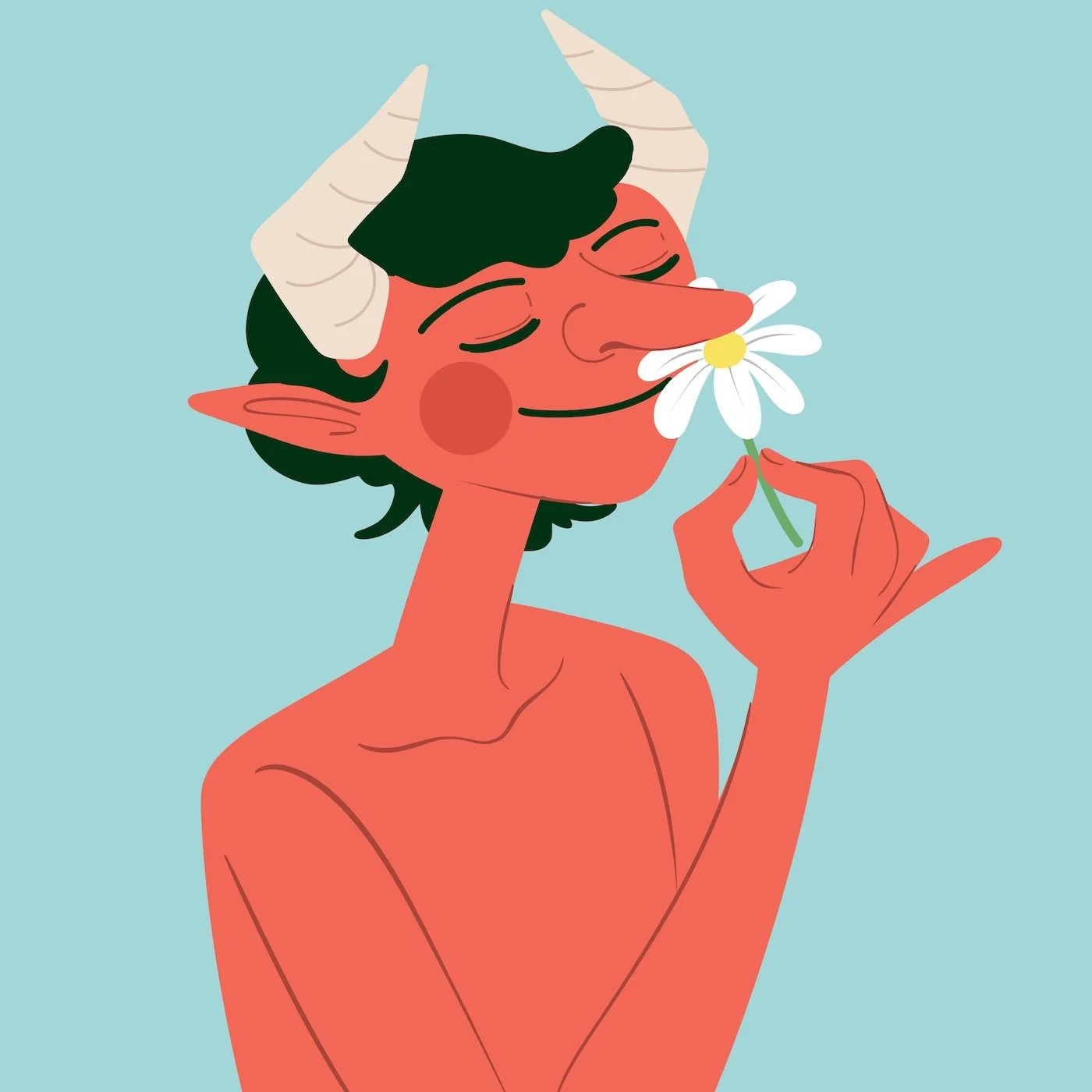
The Designated Devil: Why Some Families Needs One
The designated devil's crime was not cruelty or failure or rebellion. It was witnessing. She was in the room. She remembers what was said. She noticed the distance between the family's narrative and the family's actions, and she made the error of not forgetting. She holds the archive the family needs destroyed.

Goblin-mode Sociology
The objective was to deconstruct "Goblin Mode"—Oxford’s 2022 Word of the Year—moving beyond its surface-level definition of laziness. I wanted to explore it as a legitimate psychological rebellion against the "perpetual performance" of modern life, specifically within the high-pressure context of the Singapore expat community.