
great ave ruinsFluent in what goes unsaid.
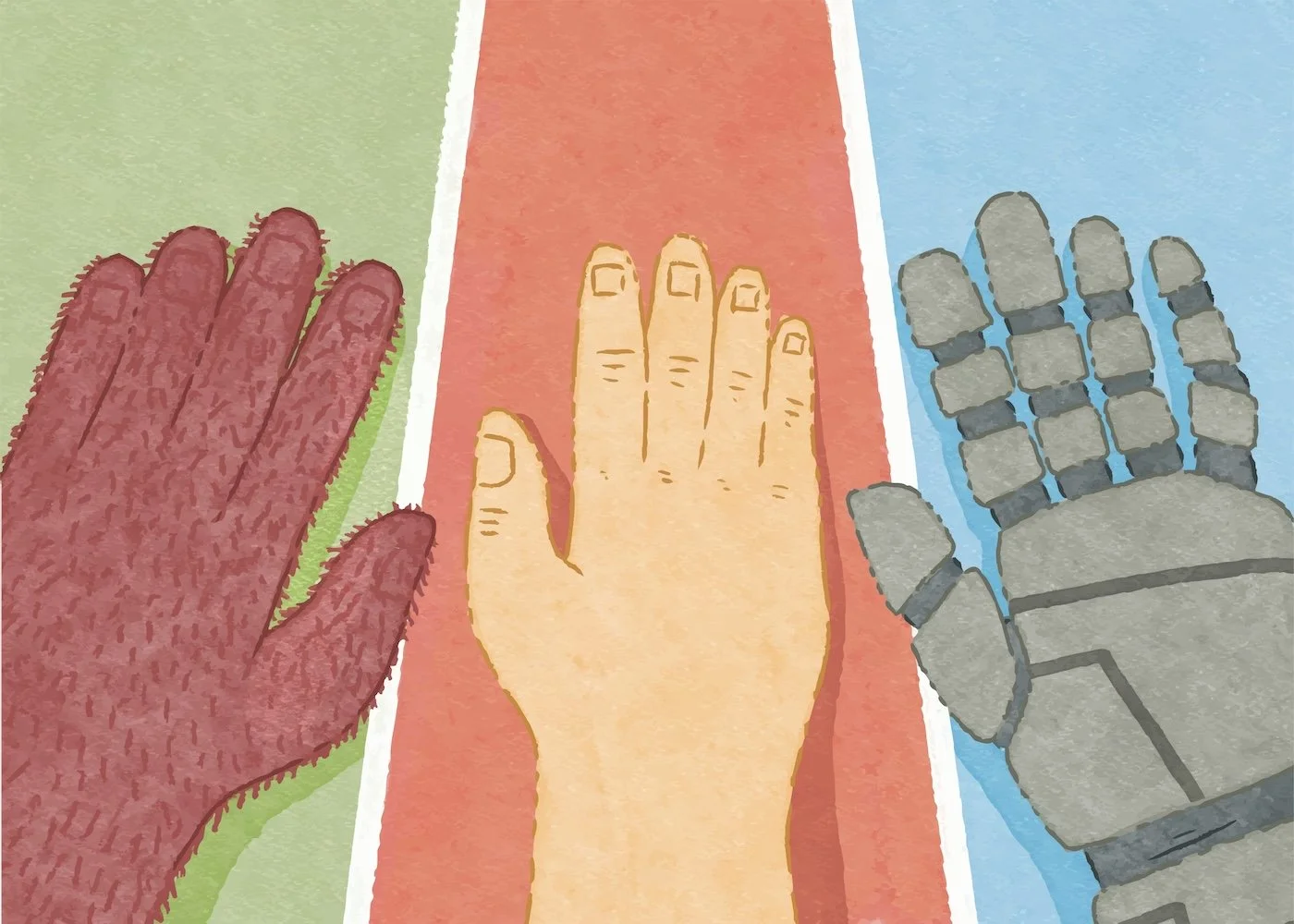
AI Is the New Reader. What Does That Mean for Writing?
The attention economy has a new audience, and it doesn't care about narrative hooks. For decades, writers have been told to seduce the reader in the first line. Now the most consequential reader in the room gets seduced very differently. The question is whether we can learn its language without forgetting our own.

Reddit’s 2026 Creative Trends Report Is Brilliant. It’s Also an Autopsy of Authenticity
Reddit's own creative studio published a trends report that is sharp, well-observed, and, well, unsettling. This is what happens when you read it slowly, and notice what it reveals about authenticity, attention, and the early internet we can't manufacture back.

Do Buy, Dubai: Have Your Virtue and Eat It Too
I’ve been thinking about excess that wants to be mistaken for care, curation, almost moral attentiveness. How it borrows the language of virtue, and calls itself intentional, presents itself as edited, curated, almost ethical.
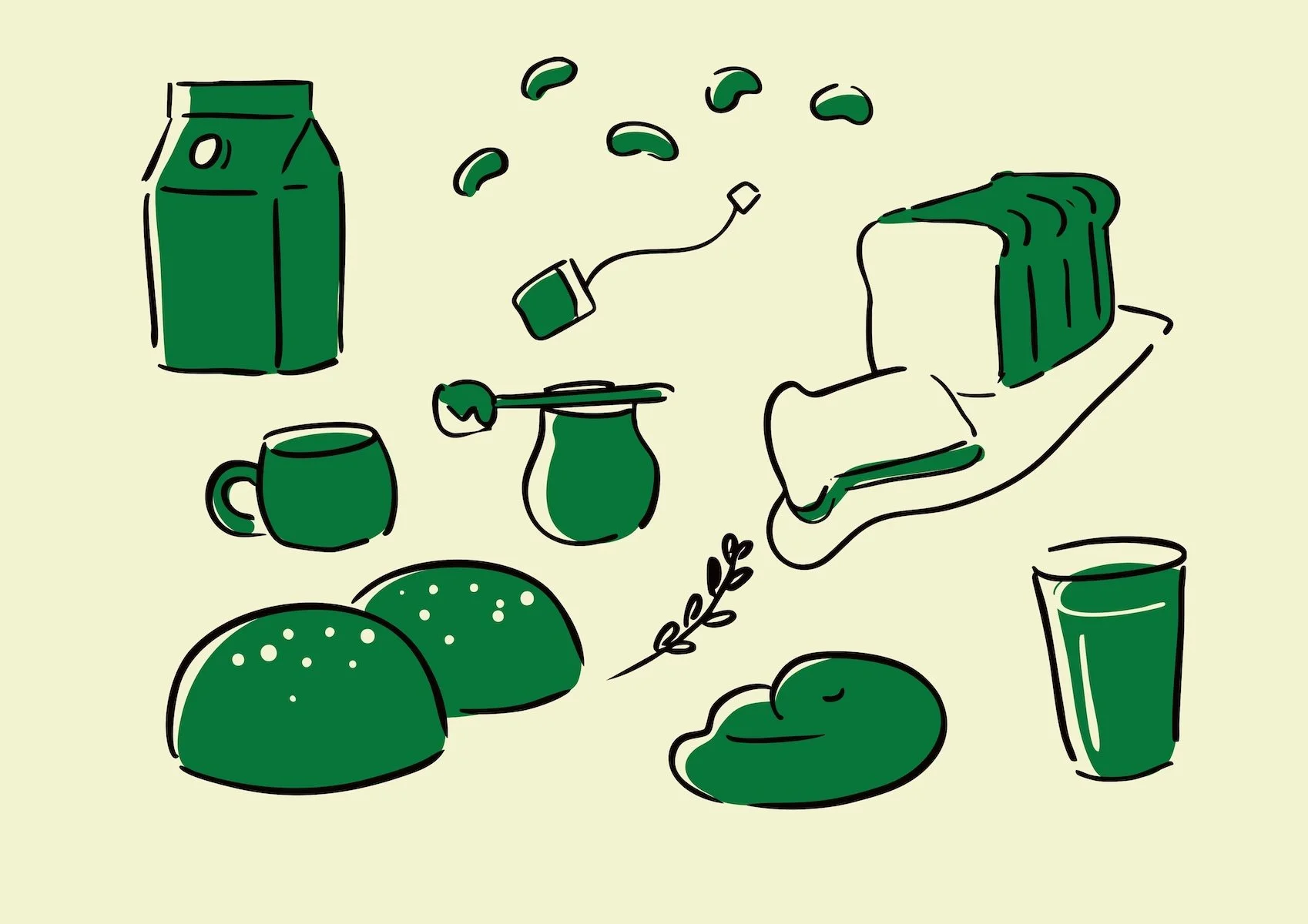
How Ordinary Became Extraordinary: The Structural Transformation of Wellness
There is a photograph of a woman eating toast at a kitchen table in 1976. The toast is simply toast. Fifty years later, breakfast has become unrecognisable. Not the food itself, but everything surrounding it. The decision-making apparatus. The expert guidance required. The moral weight of choosing correctly.
Tanghulu at Forty
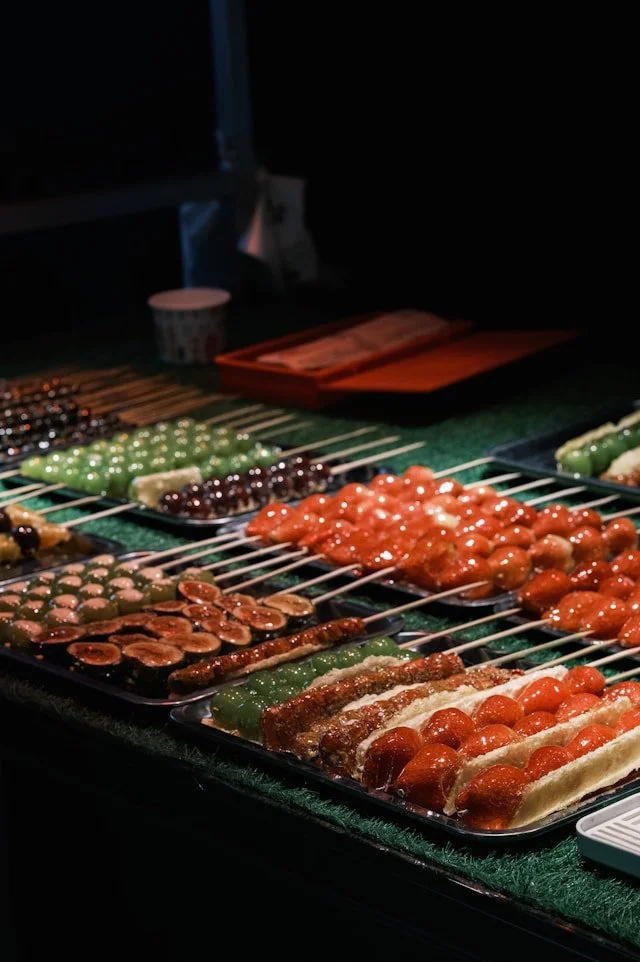
My son will grow up in a world where culture is platform-native. Where he can learn thosai from YouTube, tanghulu from TikTok, pasta from Italian grandmothers who've monetised their nostalgia. Where "traditional" means whatever the algorithm surfaces.
On the Fear of Sharing What I Cook
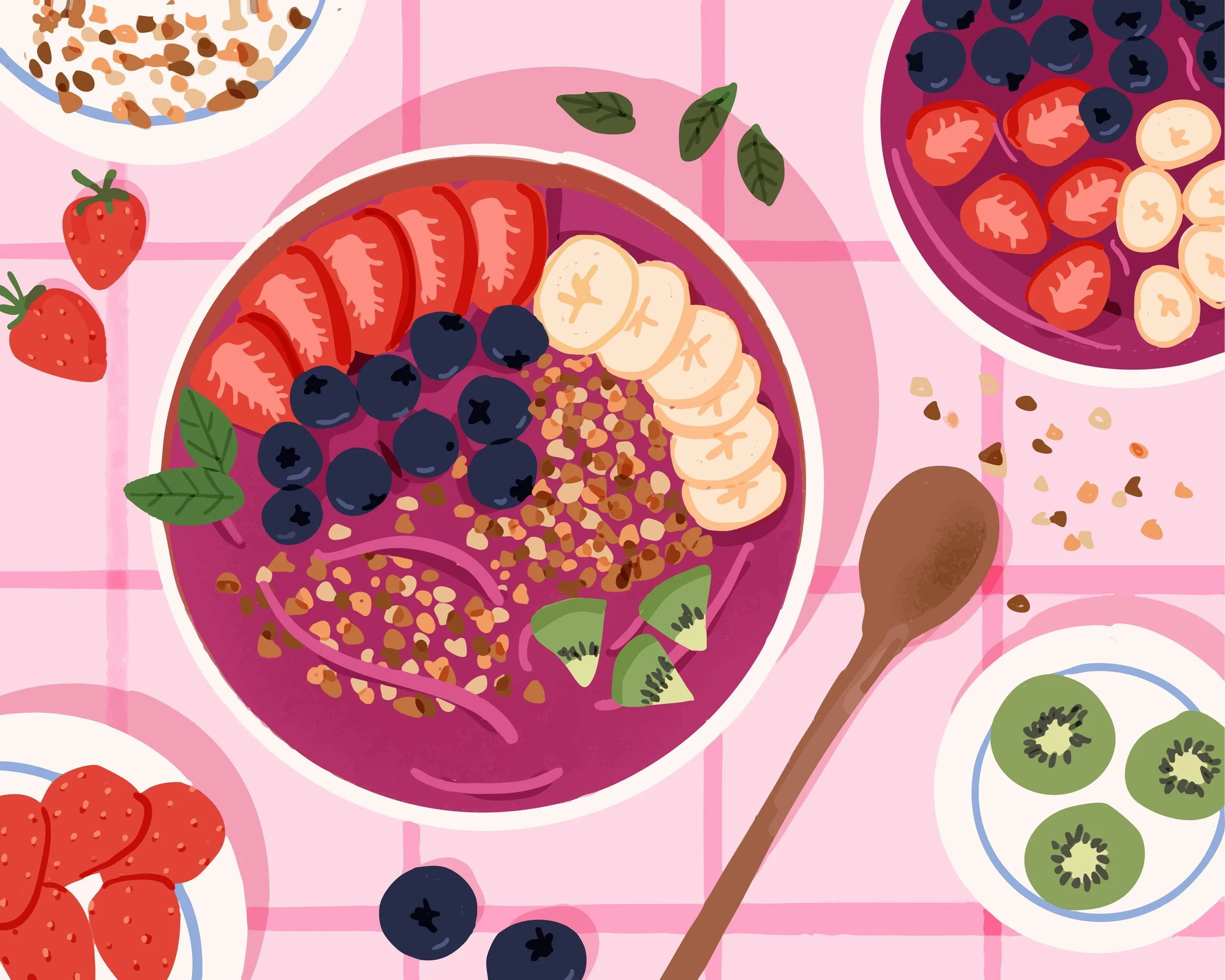
When did amateur become an insult? From the Latin amator: lover. Someone who does something for love of it. The professionalisation of food culture has given us access to knowledge, but it's also made us feel like impostors in our own kitchens.