
great ave ruinsFluent in what goes unsaid.

The Original Daughter: The Genevieve Problem
I was loaned this novel and found myself inside it. I wasn't sure I wanted to be there, and that discomfort is perhaps why Singaporeans need to be reading this.
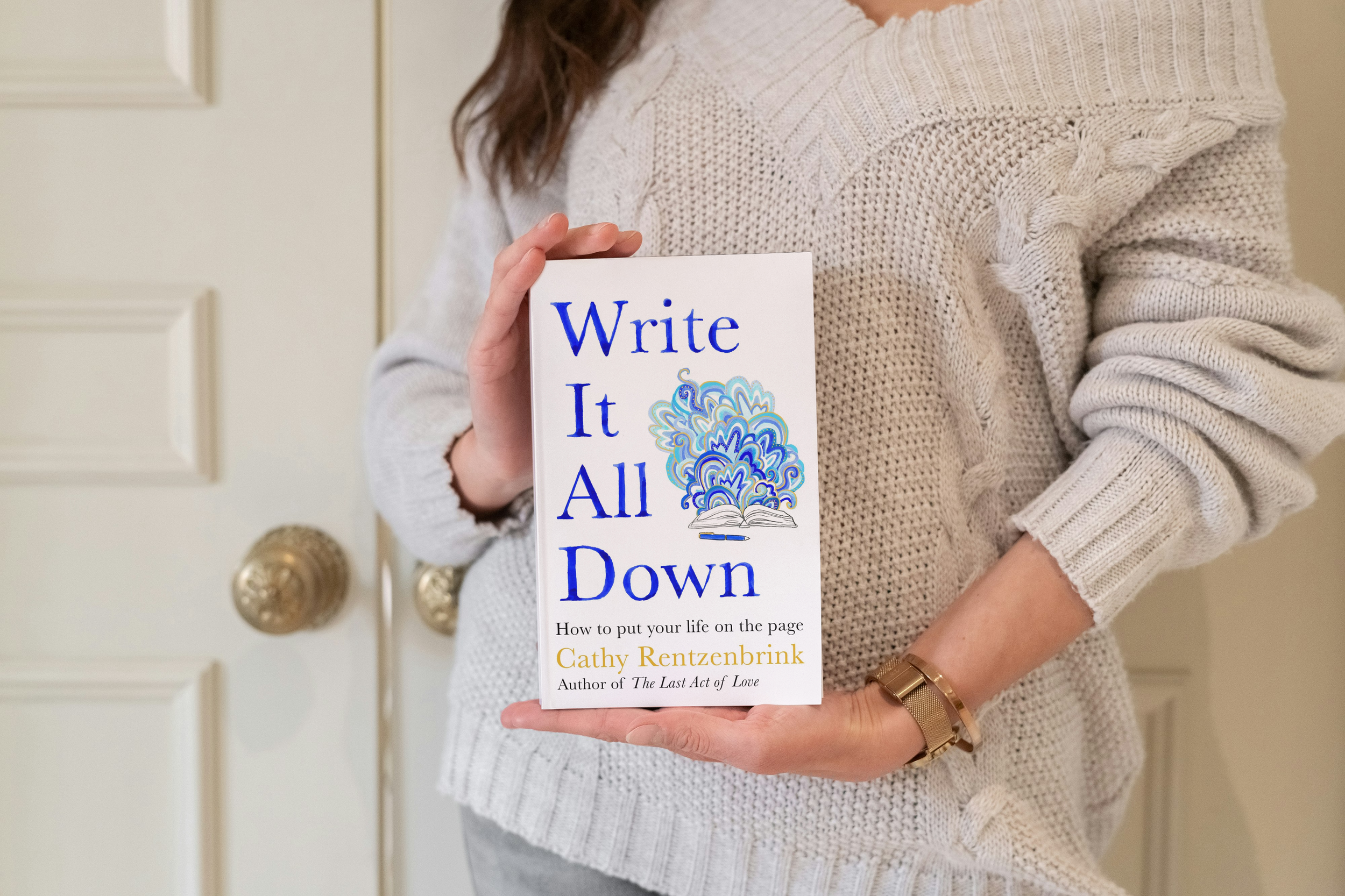
What Survives: On Cathy Rentzenbrink's Write It All Down
Cathy Rentzenbrink's Write It All Down promises solace through memoir writing, but beneath the therapeutic framing lies something older: the basic practice of sustained attention to your own experience. This review excavates what survives the self-help overlay. The craft instruction, the honest admission that writing remains difficult, and the mechanics every memoirist needs. Not therapy.
Crudo: How to Unfold Yourself Without Burning the World Down
I keep wondering whether commitment confines us, or gives shape to something larger than the self. What emerges is the friction between the “I” and the “we”. Crudo suggests that love is not resolution, but stamina: the willingness to remain inside the rawness of being seen.
Violence and Aurora Borealis
The Great Alone made me want to understand our appetite for stories about women who endure. What happens when trauma is wrapped in descriptions of northern lights and midnight sun? When violence and beauty occupy the same paragraph, the same breath? Why do millions reach for these narratives of female suffering?

Dear Nora Seed: What If You Didn't Have to Learn a Lesson?
I wished someone had been more patient with Nora (The Midnight Library) before she started converting every experience into lessons. So I wrote her a letter, because sometimes the most honest way to examine what a book gets wrong is to offer what it couldn't give its protagonist.

The Library Becomes a Lecture Hall: On Matt Haig's The Midnight Library
What would it look like to actually honour the premise? An infinite library could be genuine contemplative space allowing Nora to dwell in possibility without pressure to choose correctly. But that would require Haig to value contemplation over consolation, inquiry over instruction, dwelling over destination.

What Fiction Does When We're Not Looking
Fiction's capacity to expand moral imagination is also its capacity to colonize it. Every time you inhabit a character, you bring your own architecture of feeling to their experience. You can only understand them through your available emotions. This is why diverse literature matters.

I Hate Love Poems (Mostly)
Perhaps what I'm describing is simply the movement from romanticism to realism, from the aesthetics of intensity to the ethics of attention. Perhaps it is only that I have loved and been loved enough times to know that the experience bears little resemblance to its representations.