
great ave ruinsFluent in what goes unsaid.
I Have Not Begun
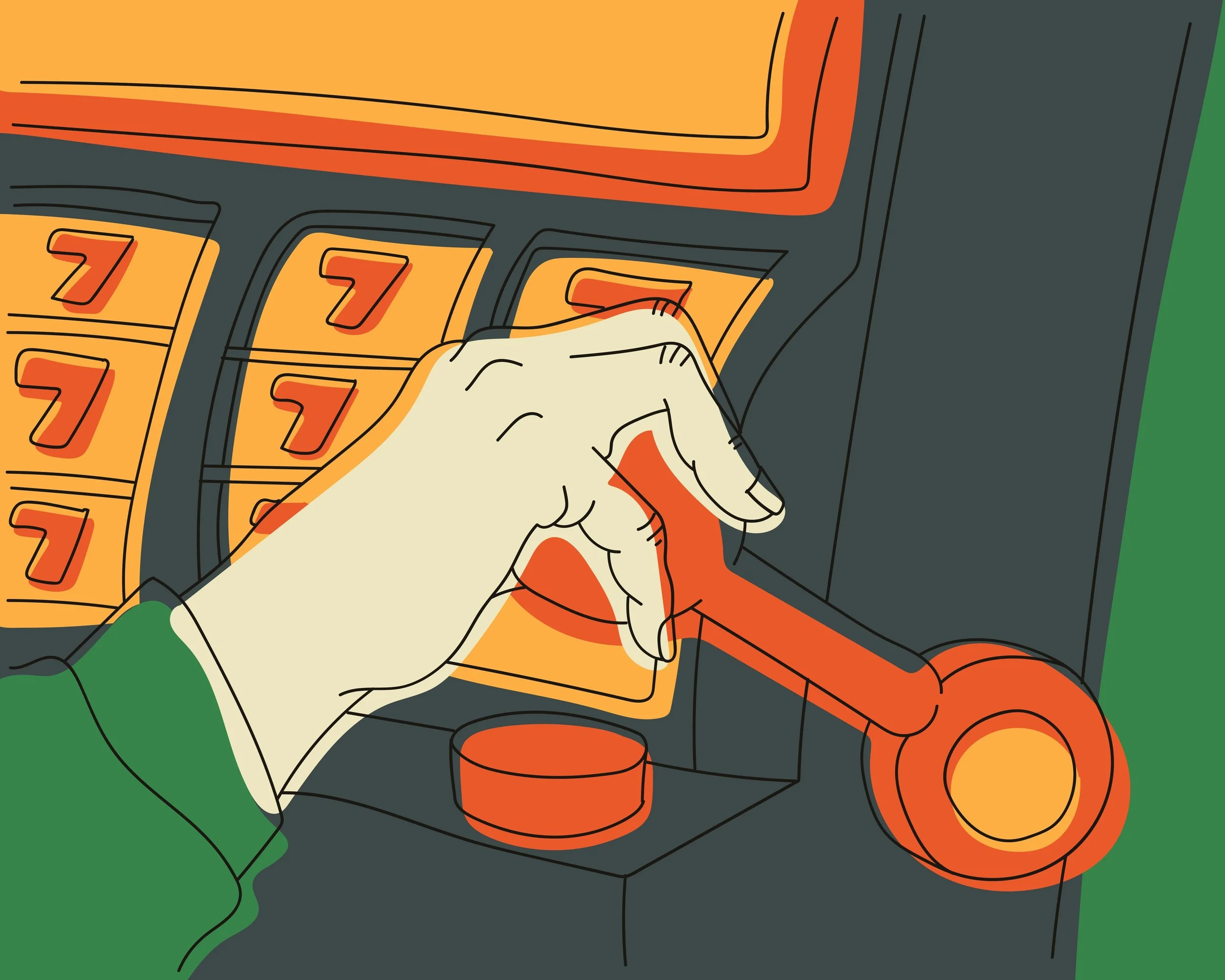
The nervous system, ancient and efficient and not remotely interested in your analysis of it, cannot tell the difference between a pigeon and a person. It only knows that something came before. Something might come again.
The Cost of Looking Unharmed
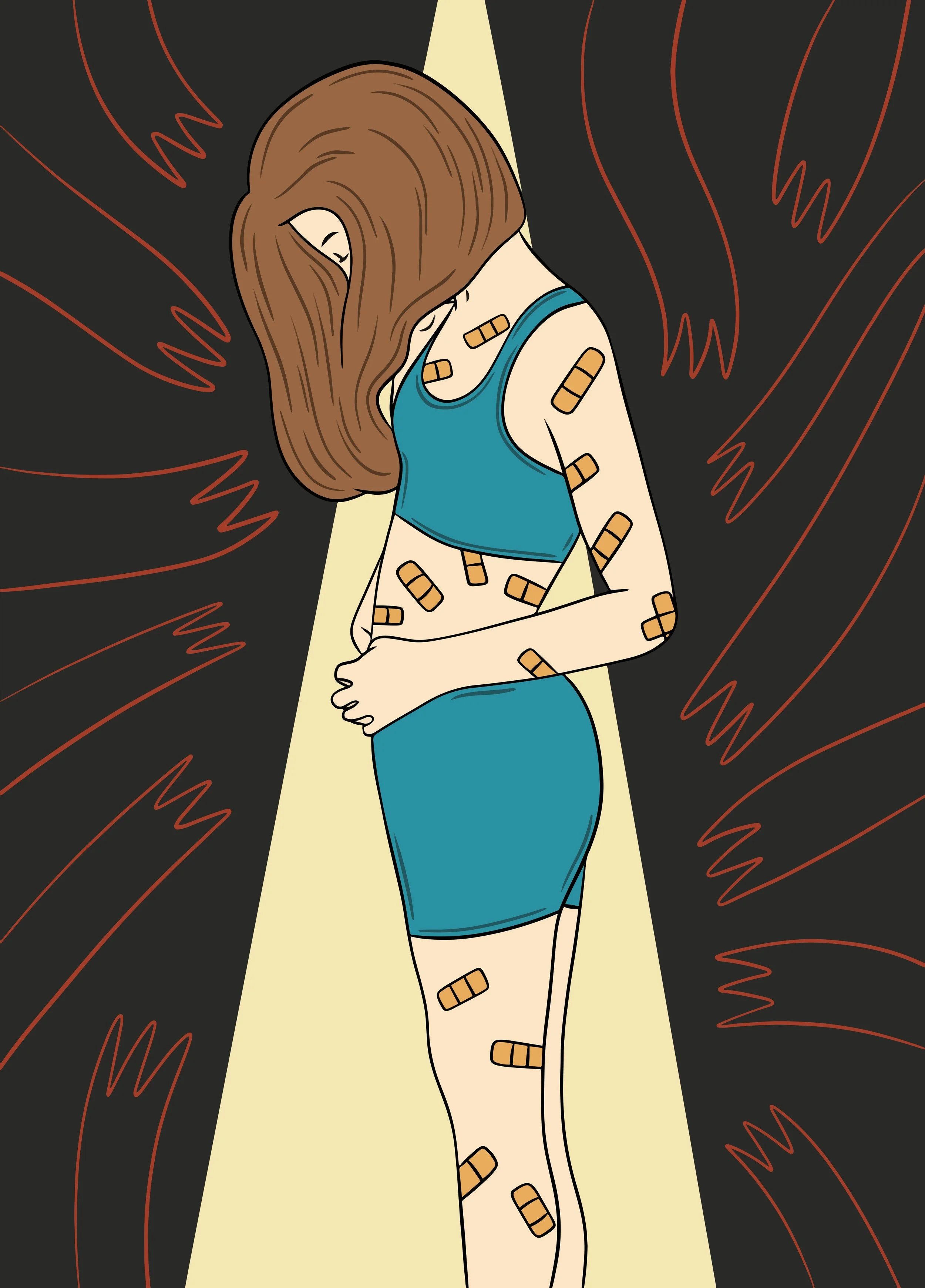
The world extends its tenderness to what it can see. Invisible wounds don't come with that grammar. And to be believed, you must explain. You must open the wall again, let the water show itself, pay the cost of telling. We would never ask this of the physical. We would never say: break it again, so we can see.
The Cost of the Surface: What HSPs Pay to Appear Okay
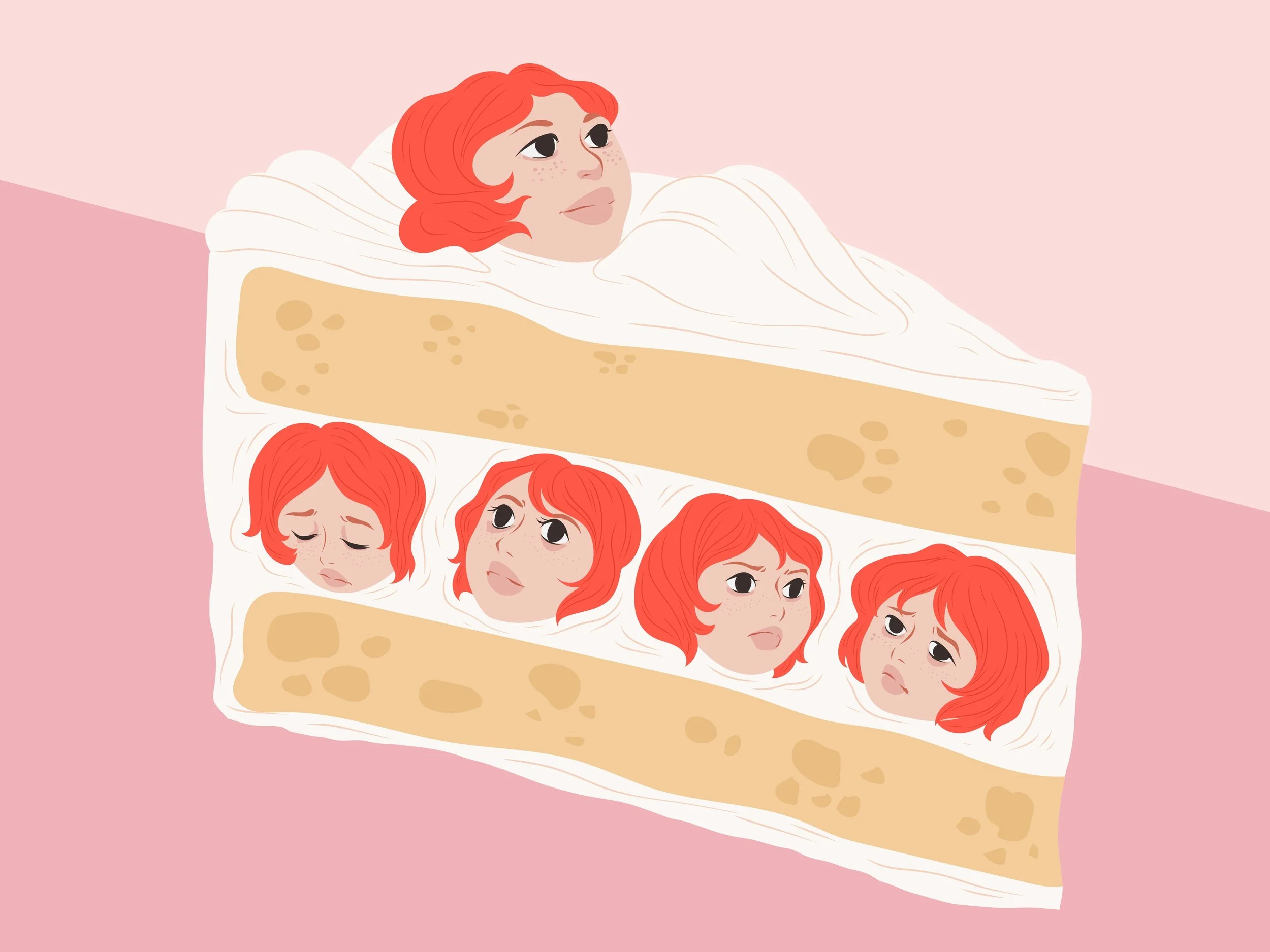
We are all walking around on each other's crusts. Mistaking the managed surface for the person. The cost of holding yourself together so well is that no one knows to hold you.
Crudo: How to Unfold Yourself Without Burning the World Down
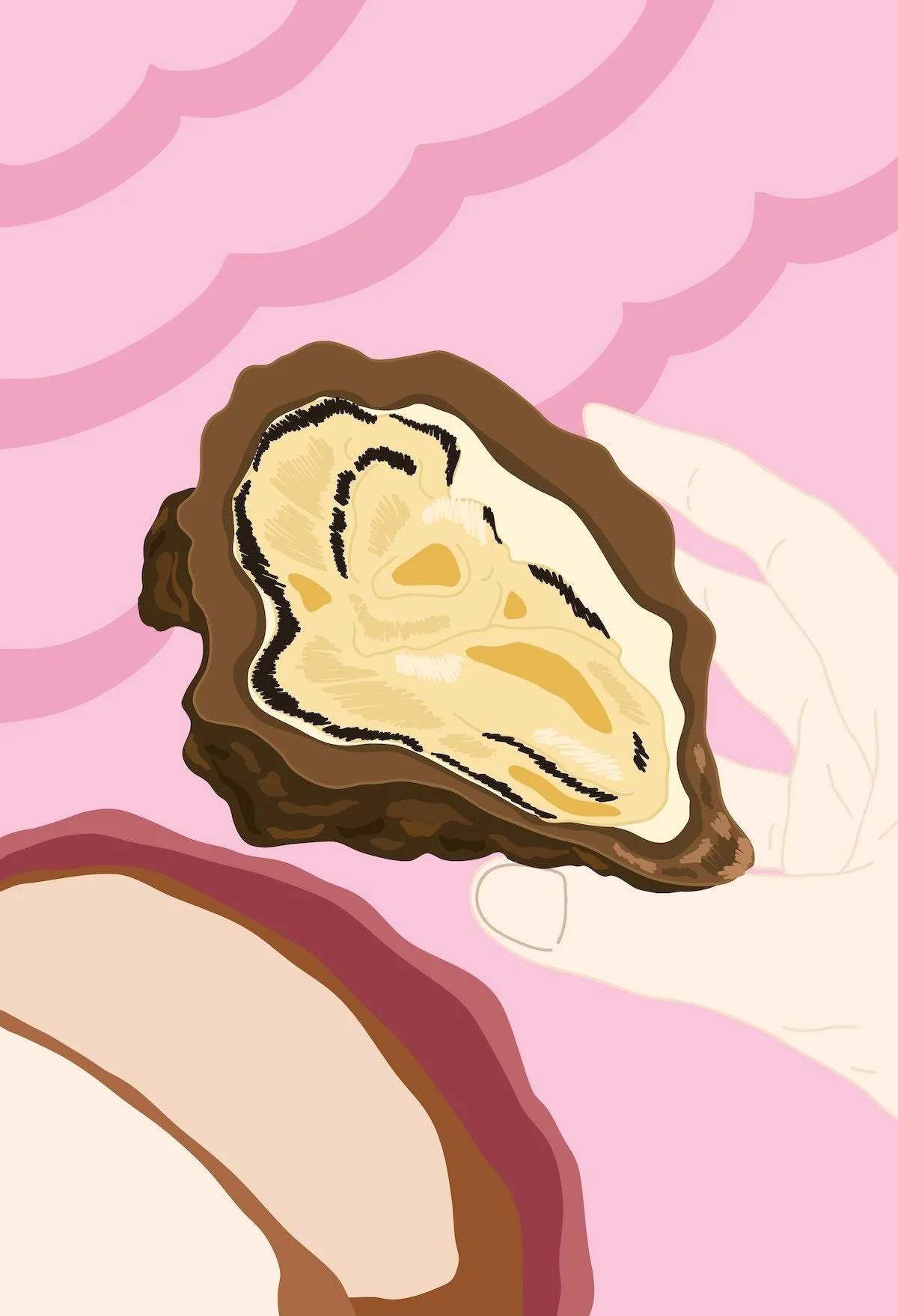
I keep wondering whether commitment confines us, or gives shape to something larger than the self. What emerges is the friction between the “I” and the “we”. Crudo suggests that love is not resolution, but stamina: the willingness to remain inside the rawness of being seen.
Violence and Aurora Borealis
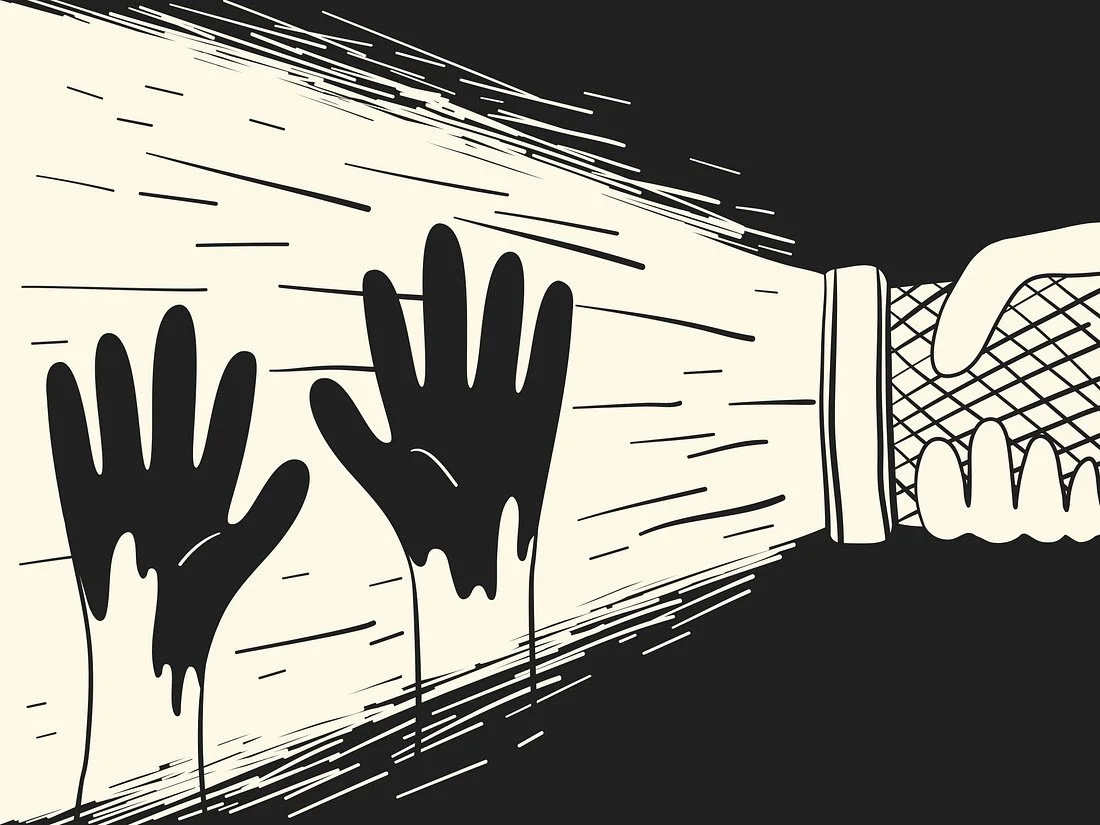
The Great Alone made me want to understand our appetite for stories about women who endure. What happens when trauma is wrapped in descriptions of northern lights and midnight sun? When violence and beauty occupy the same paragraph, the same breath? Why do millions reach for these narratives of female suffering?
The Designated Devil: Why Some Families Needs One
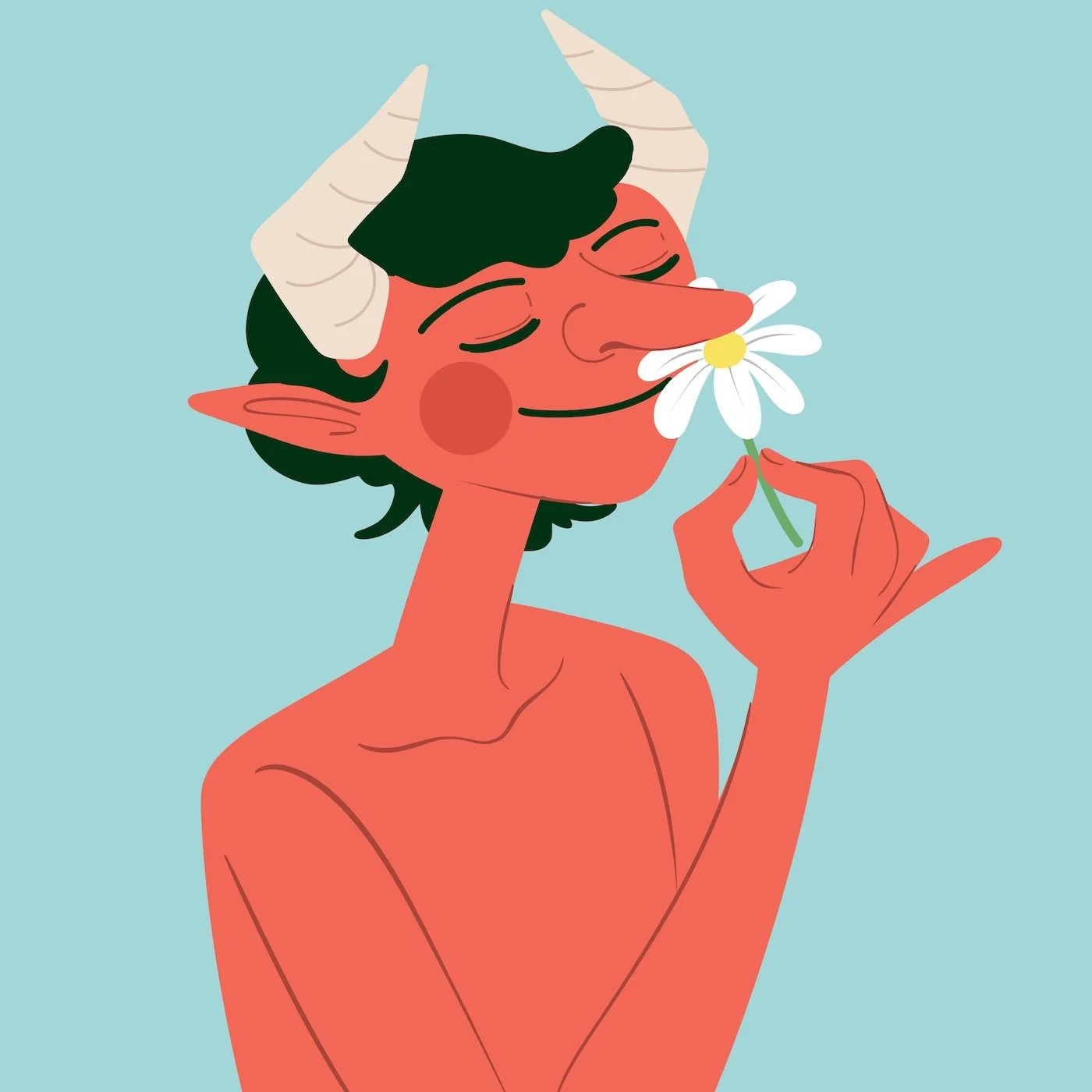
The designated devil's crime was not cruelty or failure or rebellion. It was witnessing. She was in the room. She remembers what was said. She noticed the distance between the family's narrative and the family's actions, and she made the error of not forgetting. She holds the archive the family needs destroyed.

Goblin-mode Sociology
The objective was to deconstruct "Goblin Mode"—Oxford’s 2022 Word of the Year—moving beyond its surface-level definition of laziness. I wanted to explore it as a legitimate psychological rebellion against the "perpetual performance" of modern life, specifically within the high-pressure context of the Singapore expat community.

Dear Nora Seed: What If You Didn't Have to Learn a Lesson?
I wished someone had been more patient with Nora (The Midnight Library) before she started converting every experience into lessons. So I wrote her a letter, because sometimes the most honest way to examine what a book gets wrong is to offer what it couldn't give its protagonist.

Banana-Oat Fritters
I'm cataloguing my recipes for Keith, the one person growing up on my experiments. No one taught me to cook. I refuse to follow recipes for reasons I can't explain. My creations wouldn't please most people. But Keith eats what I make. Maybe someday he'll wonder what his mother was thinking at the stove.
Triage and the Burning House
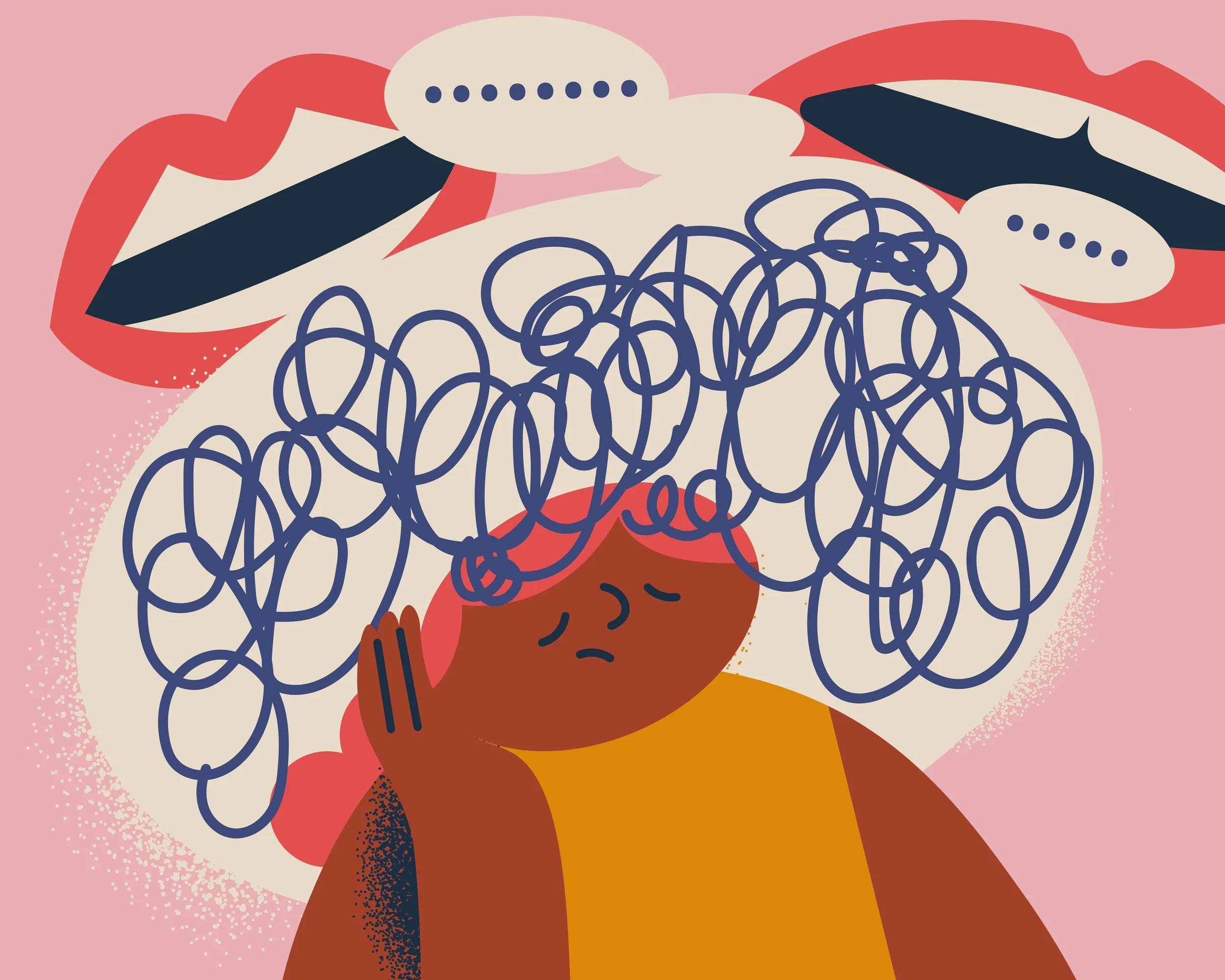
Florence Nightingale was burning. On my Day 1 that became triage. We are told to put on our oxygen masks first. But what happens when you're the only one who knows where the masks are?

The Architecture of Second Acts
We'd mapped our itinerary carefully, but weather narrowed our radius to what stood beside our accommodation. How often do we pause to consider our last days somewhere? A peculiar telescoping of perception, a painful receptivity to detail that transforms the ordinary into the archaeological.
On the Fear of Sharing What I Cook
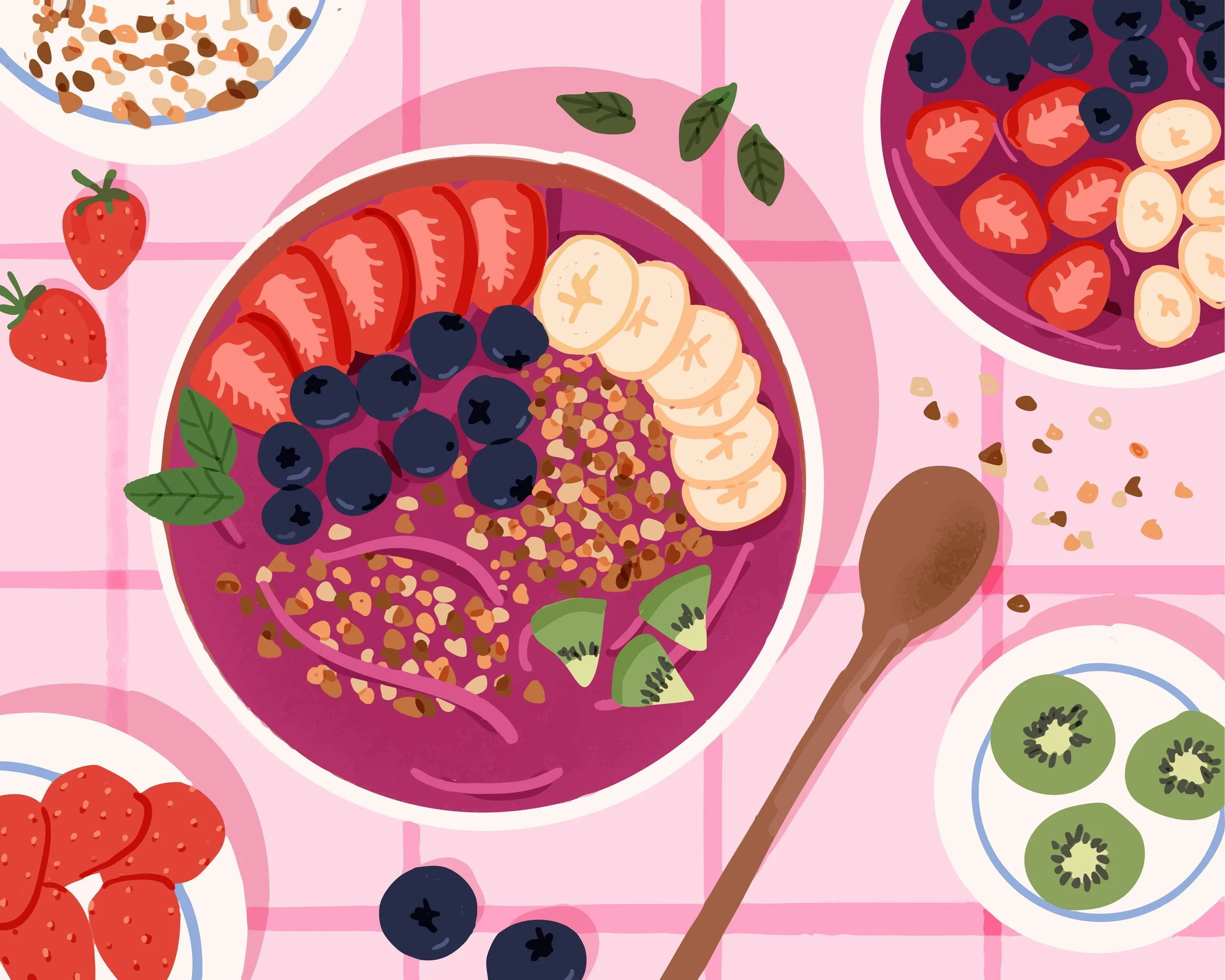
When did amateur become an insult? From the Latin amator: lover. Someone who does something for love of it. The professionalisation of food culture has given us access to knowledge, but it's also made us feel like impostors in our own kitchens.
Parenthood Diaries: On Becoming
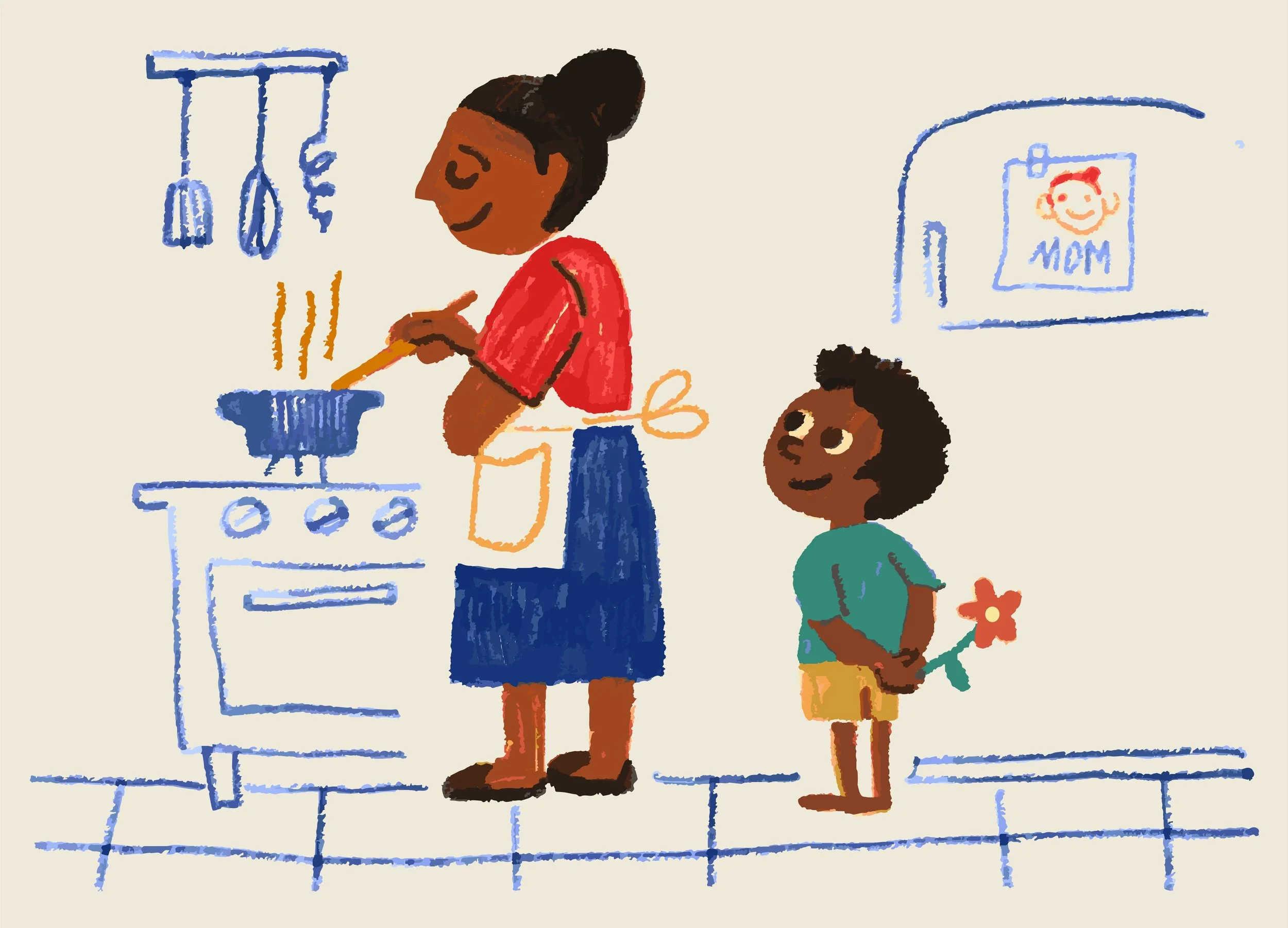
My son spent six years learning what Adrienne Rich called "the geography of fear"—bullied, developing an atlas of avoidance. Then something unexpected: he began reaching toward leadership roles with persistence that baffled me, practicing courage against all his training.
On Solitude and Self-Possession: What We Learn When We Travel Alone
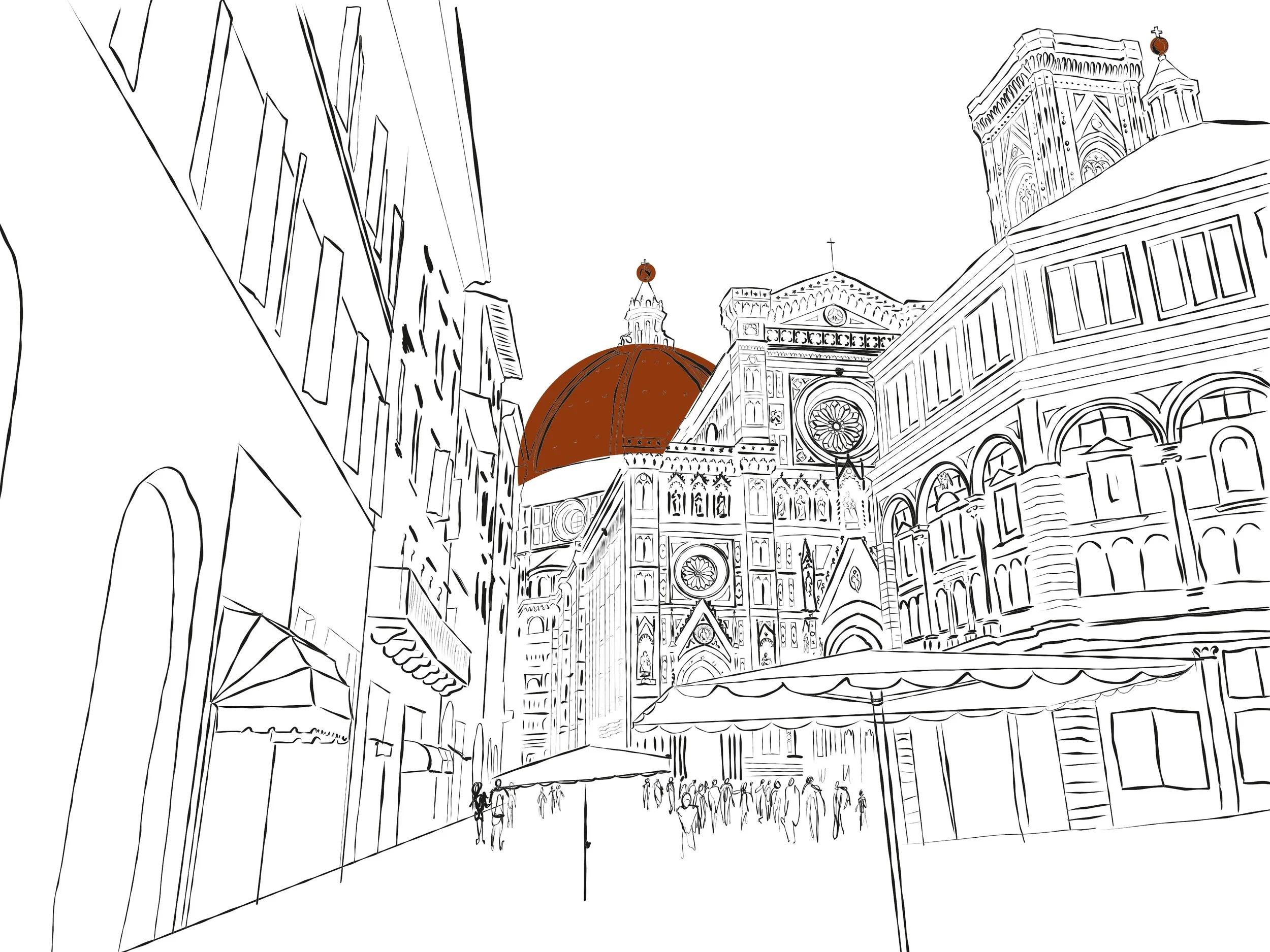
Without conversation, you notice flavour differently. Without accommodation to another person's pace, you discover your own. The focaccia is gone. I have traveled much farther than the distance from my hotel.
I Hate Love Poems (Mostly)
Perhaps what I'm describing is simply the movement from romanticism to realism, from the aesthetics of intensity to the ethics of attention. Perhaps it is only that I have loved and been loved enough times to know that the experience bears little resemblance to its representations.
The Necessary Interruption: On Adult Gap Years and the Architecture of a Meaningful Life
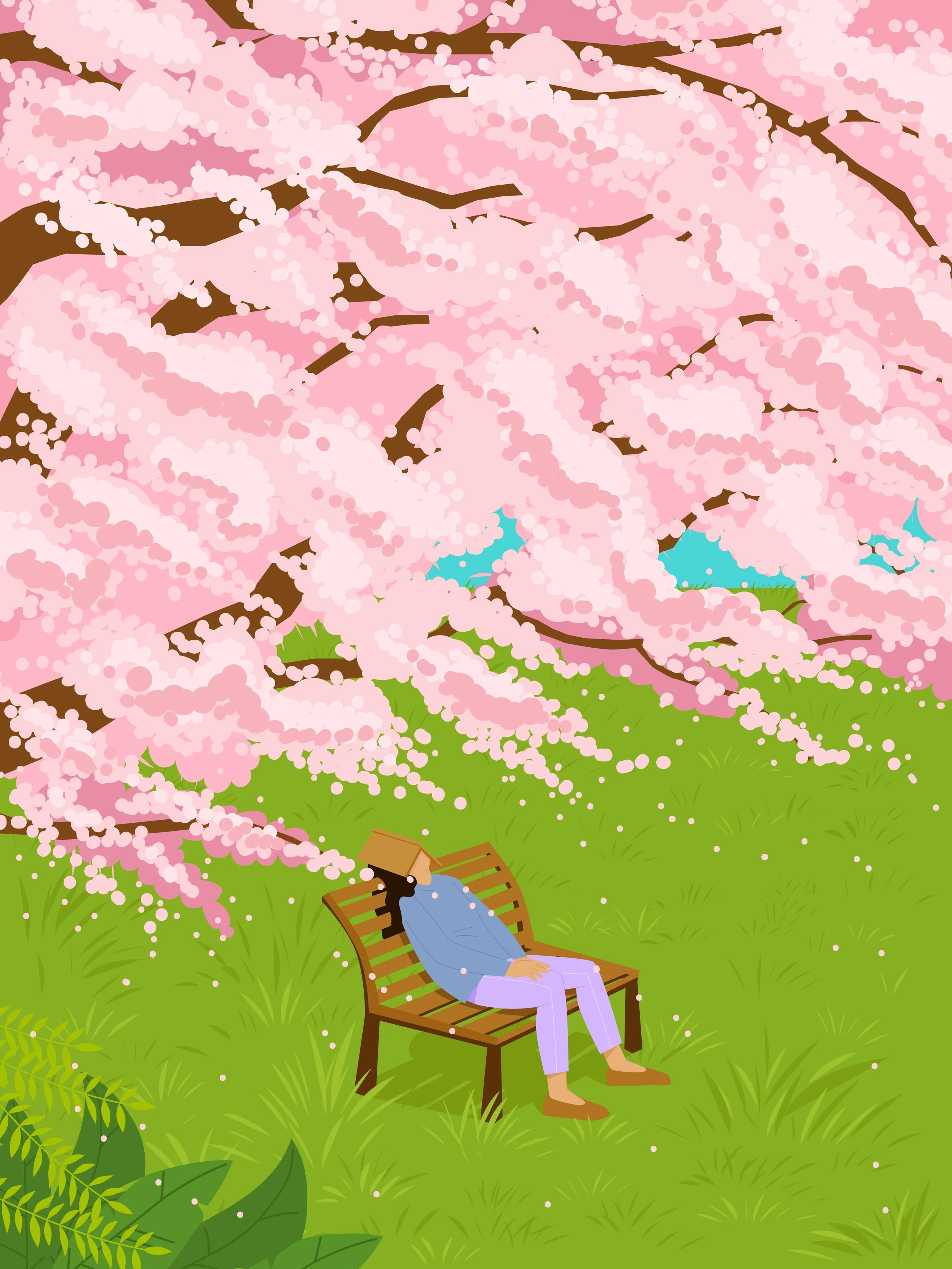
We have no generous vocabulary for pauses in adult life. We never call them necessary, never sacred. But what if our lives, like fields, need seasons of rest? What if the gap isn't empty but essential? The rest between notes that makes music music.
On Returning
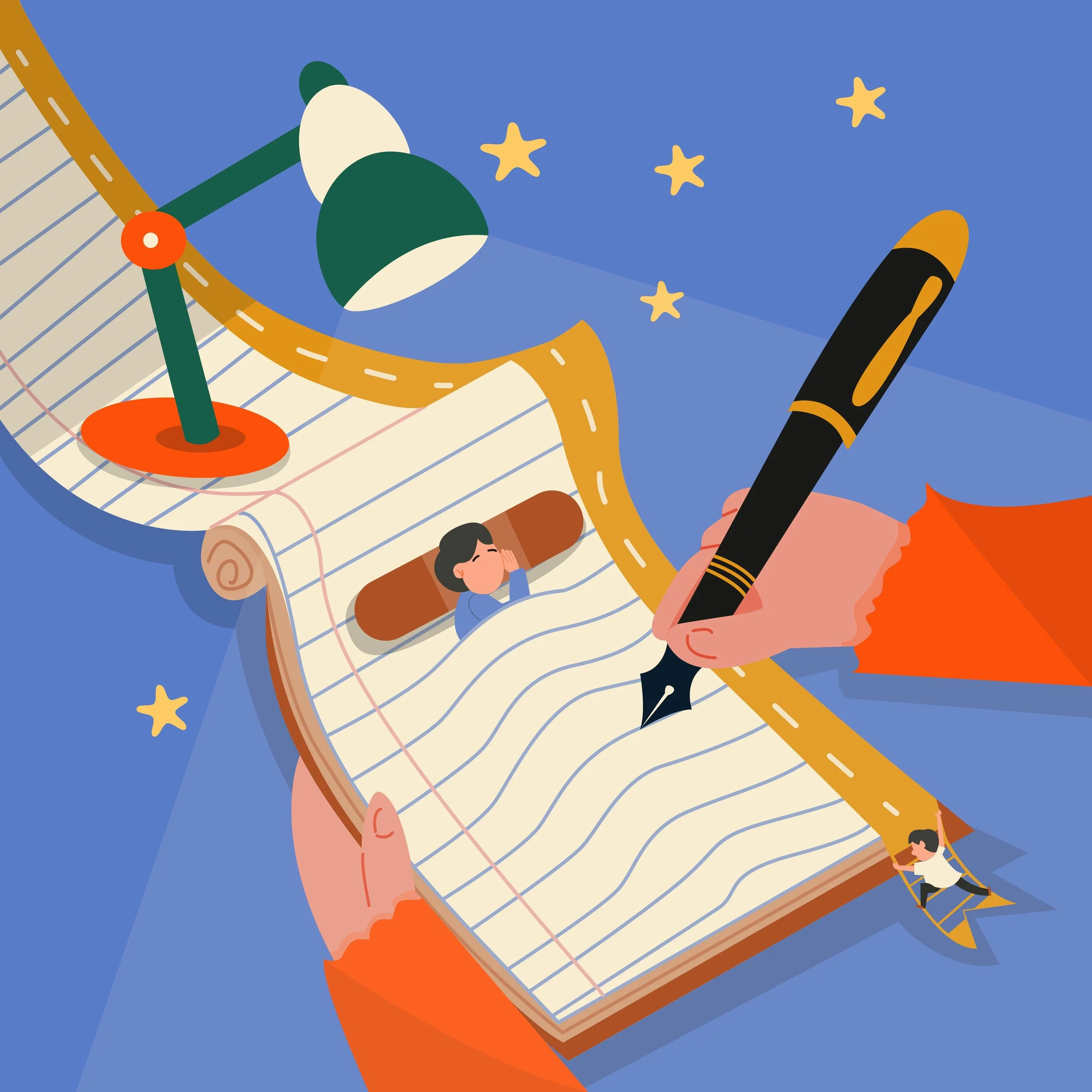
After thirty years, I've learned journaling isn't about capturing life but about the practice of presence itself—and I'm returning to share that uncertainty.
The Poetry of Transparency: On Visible Veins, Thin Skin, and What We Cannot Hide
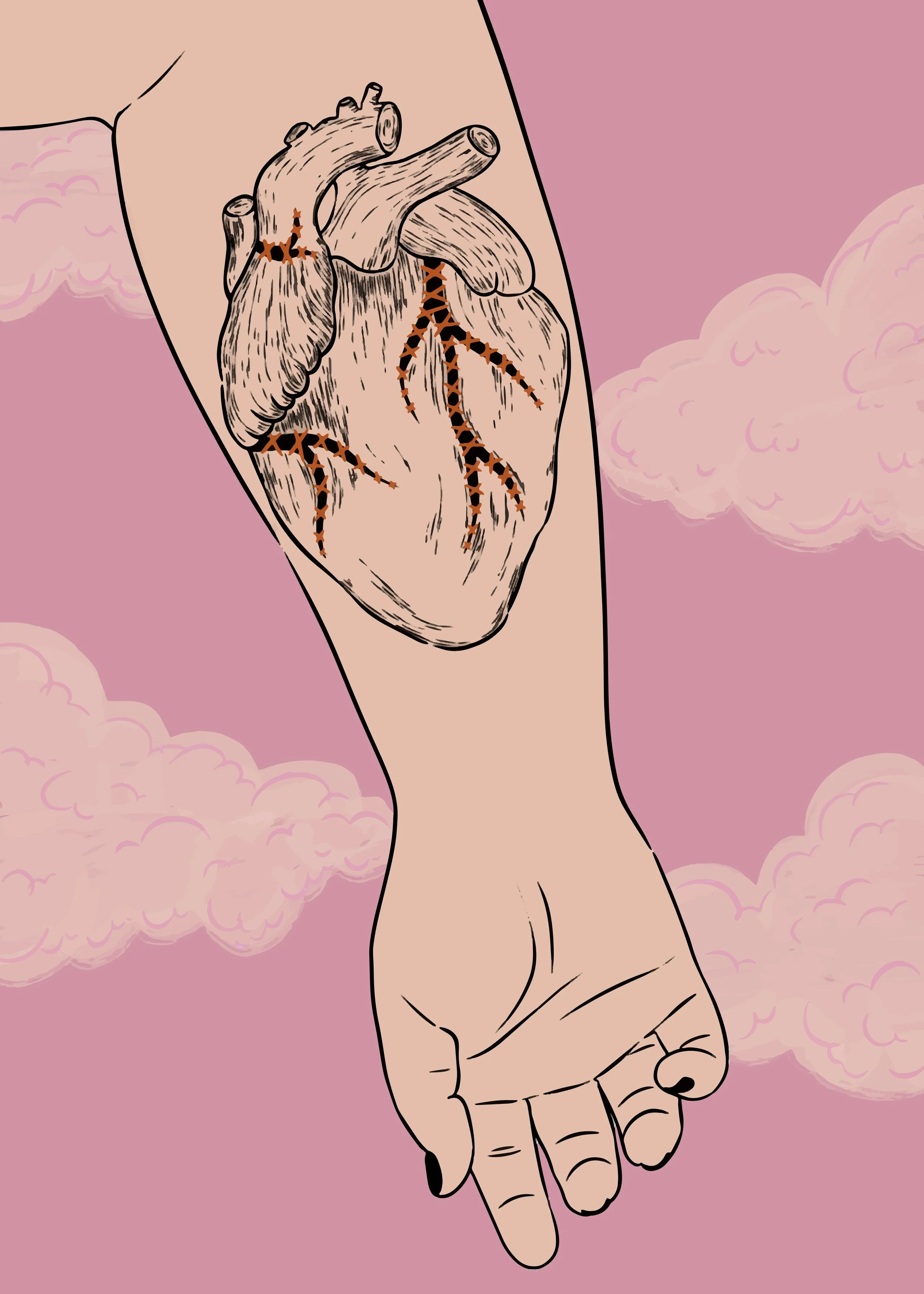
Our biology insists on honesty even when our psychology does not. The flush rising in our cheeks, tears springing to our eyes, our voice breaking when we speak of what matters. We are, whether we like it or not, transparent.