
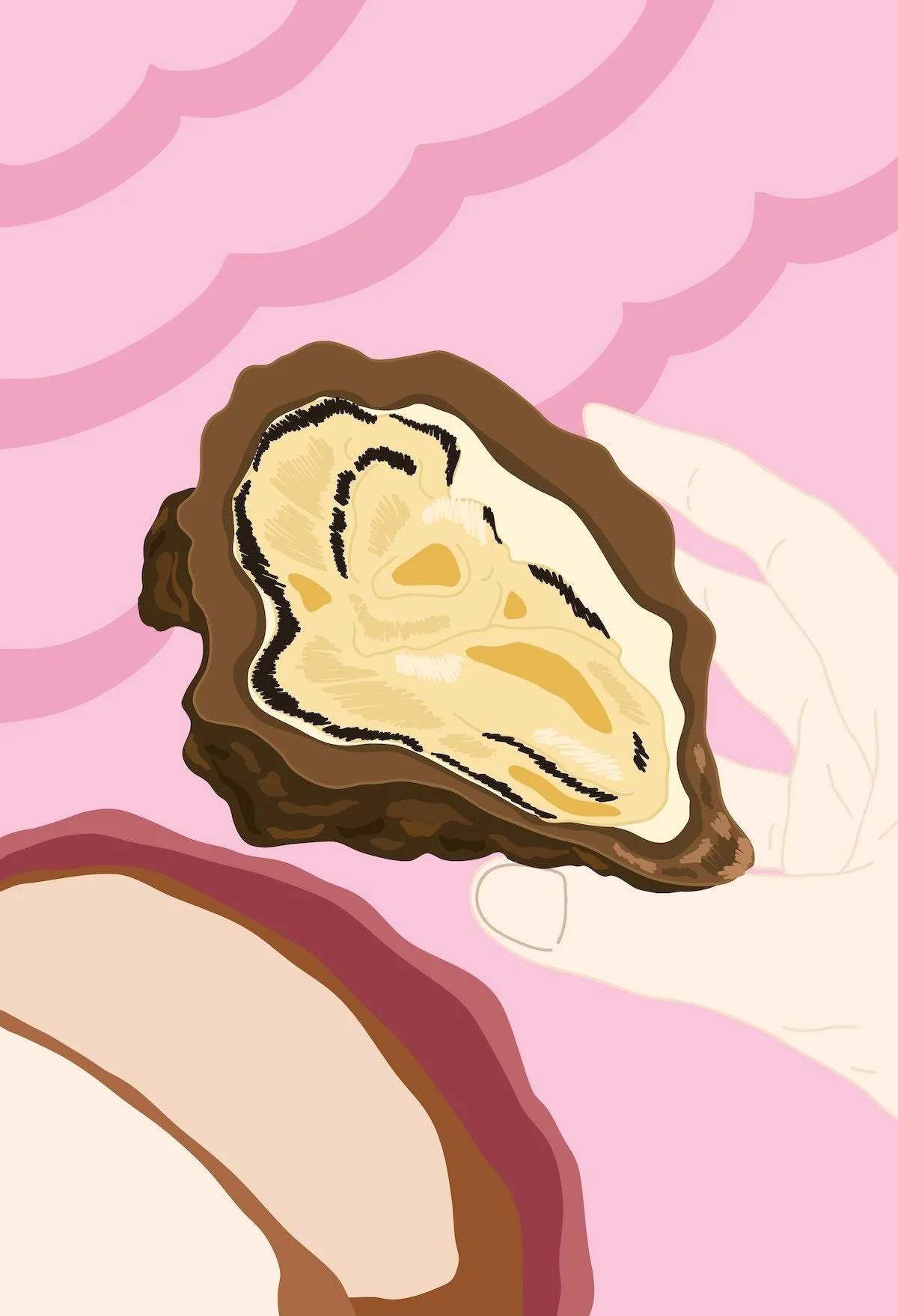
Crudo: How to Unfold Yourself Without Burning the World Down
I keep wondering whether commitment confines us, or gives shape to something larger than the self. What emerges is the friction between the “I” and the “we”. Crudo suggests that love is not resolution, but stamina: the willingness to remain inside the rawness of being seen.

Do Buy, Dubai: Have Your Virtue and Eat It Too
I’ve been thinking about excess that wants to be mistaken for care, curation, almost moral attentiveness. How it borrows the language of virtue, and calls itself intentional, presents itself as edited, curated, almost ethical.
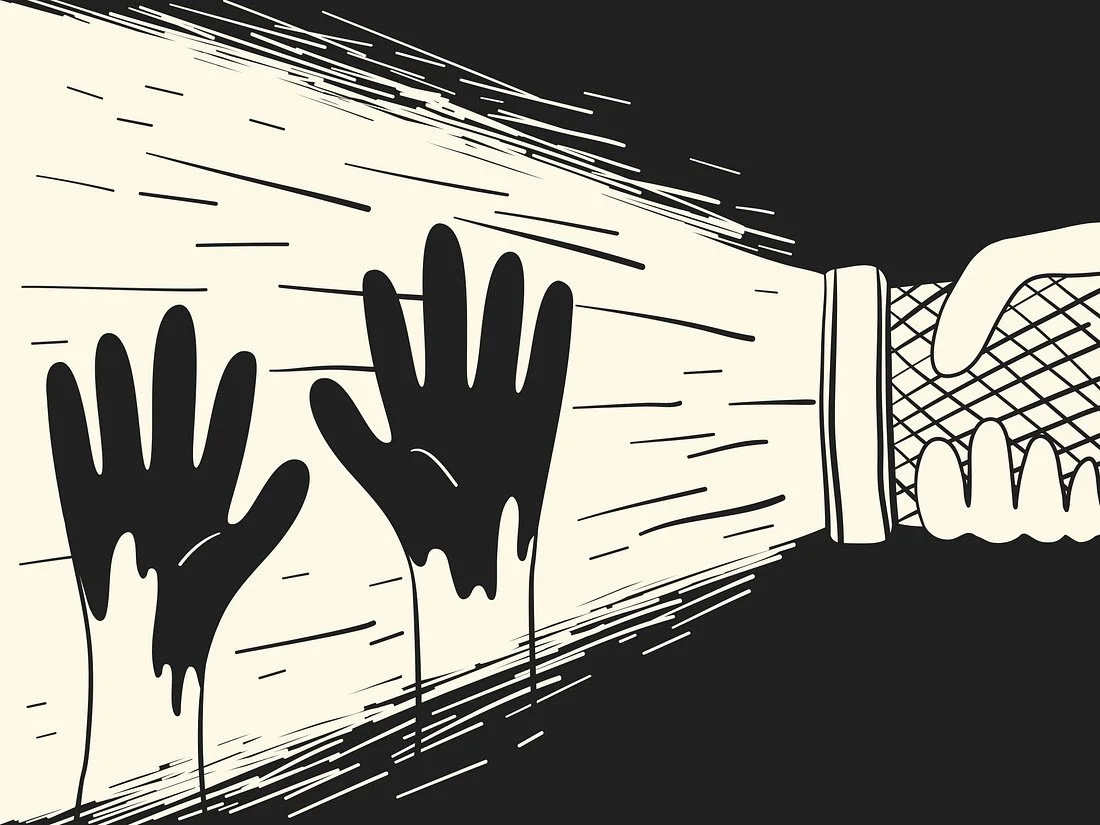
Violence and Aurora Borealis
The Great Alone made me want to understand our appetite for stories about women who endure. What happens when trauma is wrapped in descriptions of northern lights and midnight sun? When violence and beauty occupy the same paragraph, the same breath? Why do millions reach for these narratives of female suffering?
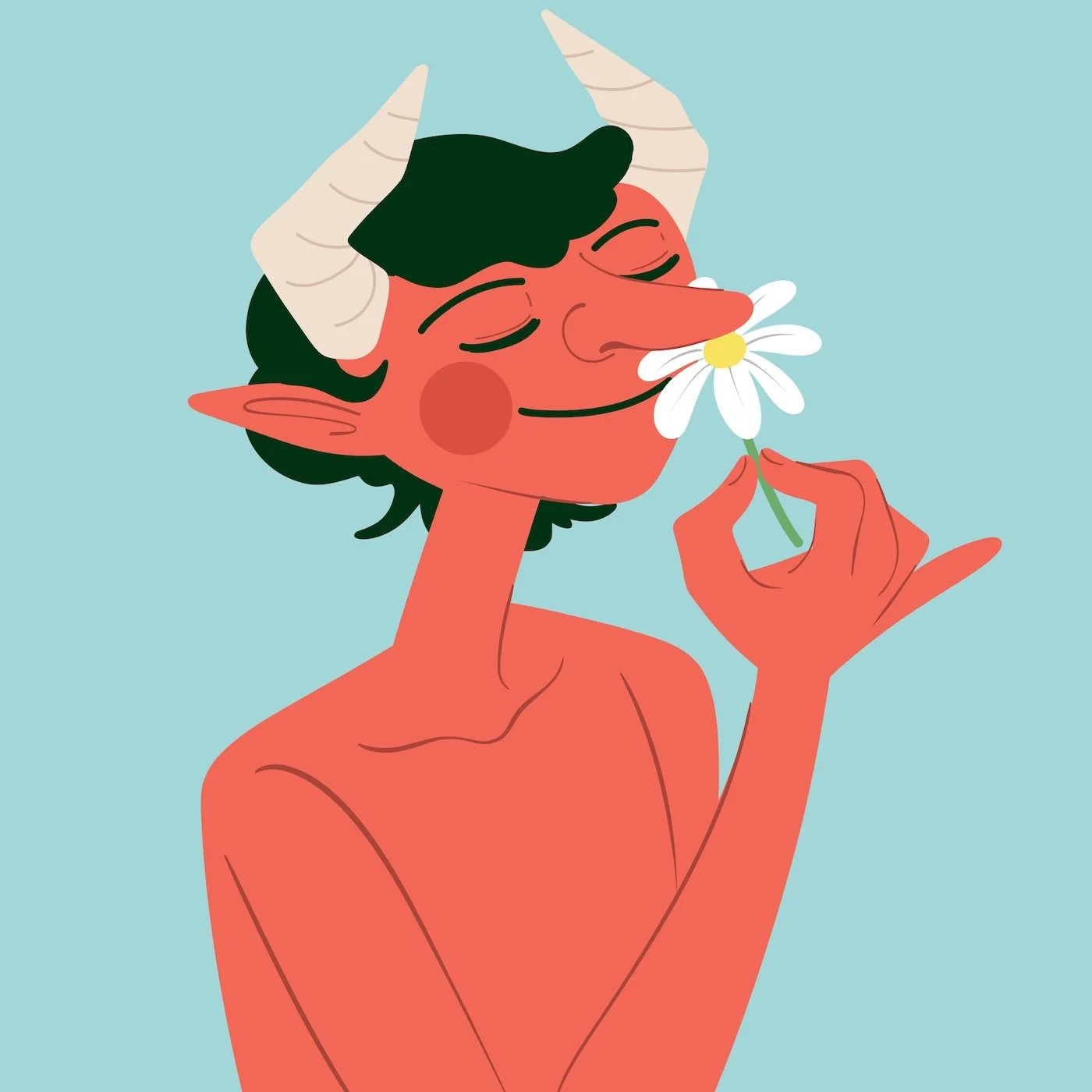
The Designated Devil: Why Some Families Needs One
The designated devil's crime was not cruelty or failure or rebellion. It was witnessing. She was in the room. She remembers what was said. She noticed the distance between the family's narrative and the family's actions, and she made the error of not forgetting. She holds the archive the family needs destroyed.
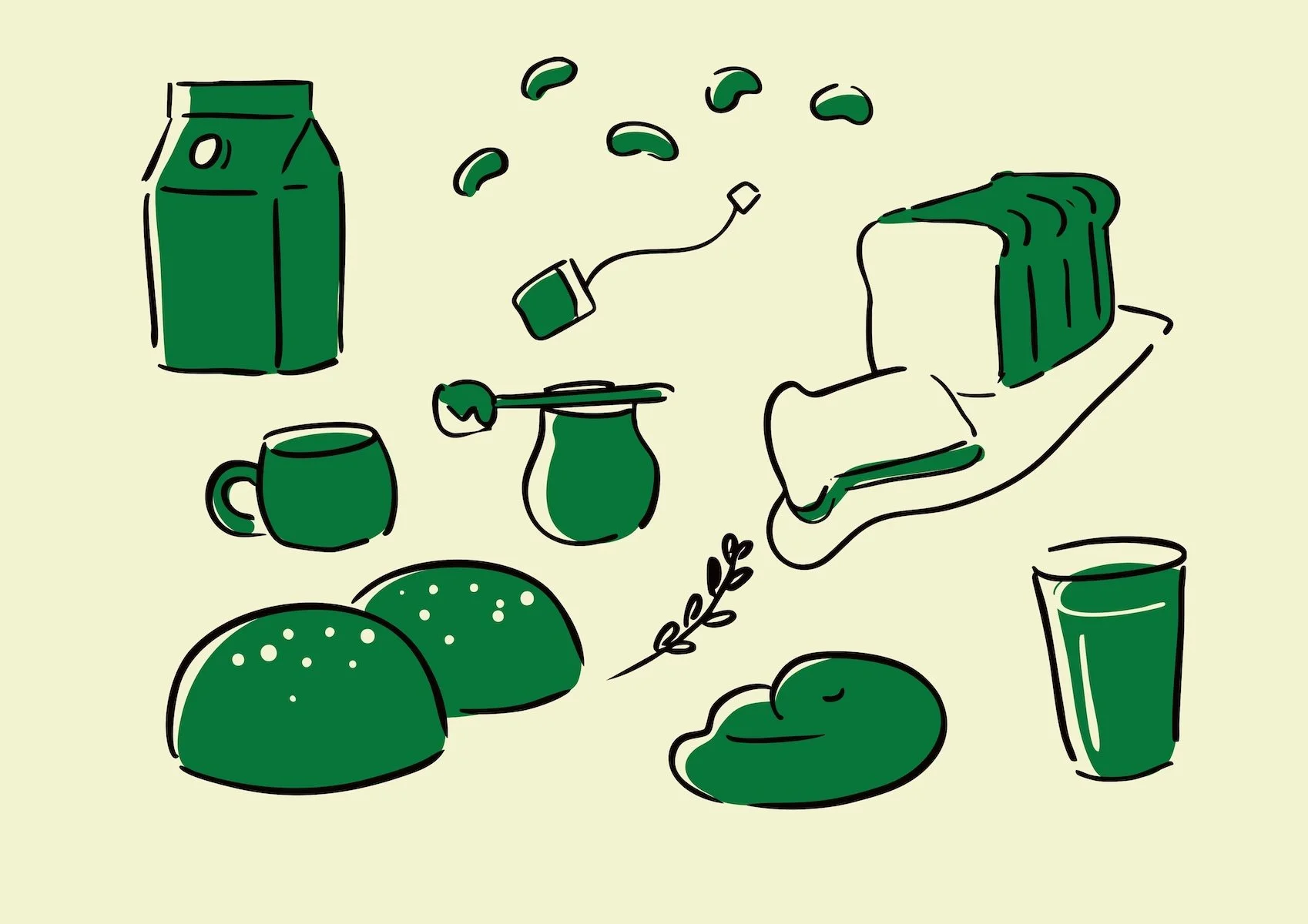
How Ordinary Became Extraordinary: The Structural Transformation of Wellness
There is a photograph of a woman eating toast at a kitchen table in 1976. The toast is simply toast. Fifty years later, breakfast has become unrecognisable. Not the food itself, but everything surrounding it. The decision-making apparatus. The expert guidance required. The moral weight of choosing correctly.

Dear Nora Seed: What If You Didn't Have to Learn a Lesson?
I wished someone had been more patient with Nora (The Midnight Library) before she started converting every experience into lessons. So I wrote her a letter, because sometimes the most honest way to examine what a book gets wrong is to offer what it couldn't give its protagonist.

The Library Becomes a Lecture Hall: On Matt Haig's The Midnight Library
What would it look like to actually honour the premise? An infinite library could be genuine contemplative space allowing Nora to dwell in possibility without pressure to choose correctly. But that would require Haig to value contemplation over consolation, inquiry over instruction, dwelling over destination.
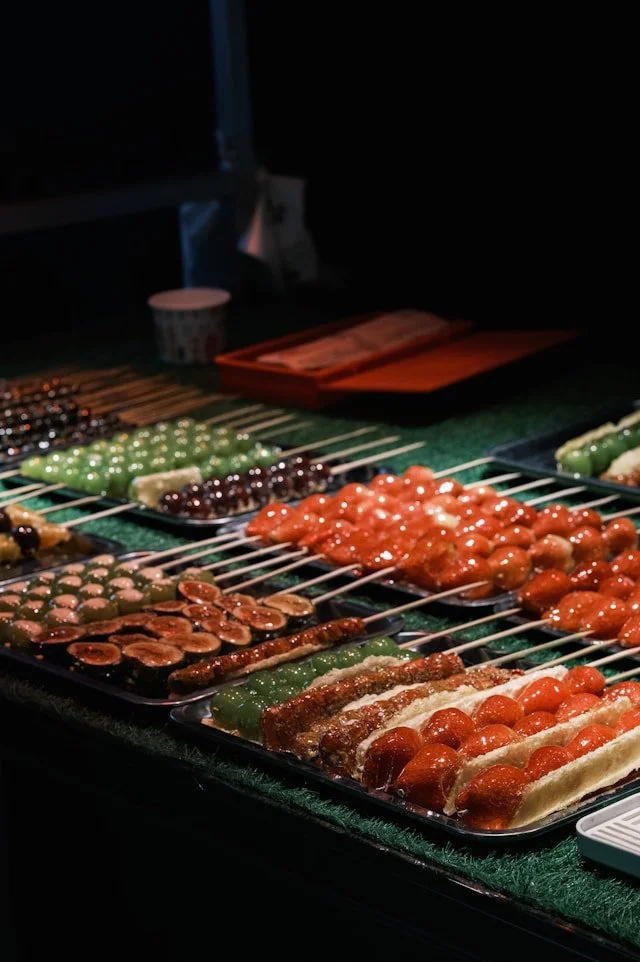
Tanghulu at Forty
My son will grow up in a world where culture is platform-native. Where he can learn thosai from YouTube, tanghulu from TikTok, pasta from Italian grandmothers who've monetised their nostalgia. Where "traditional" means whatever the algorithm surfaces.

Banana-Oat Fritters
I'm cataloguing my recipes for Keith, the one person growing up on my experiments. No one taught me to cook. I refuse to follow recipes for reasons I can't explain. My creations wouldn't please most people. But Keith eats what I make. Maybe someday he'll wonder what his mother was thinking at the stove.
Triage and the Burning House
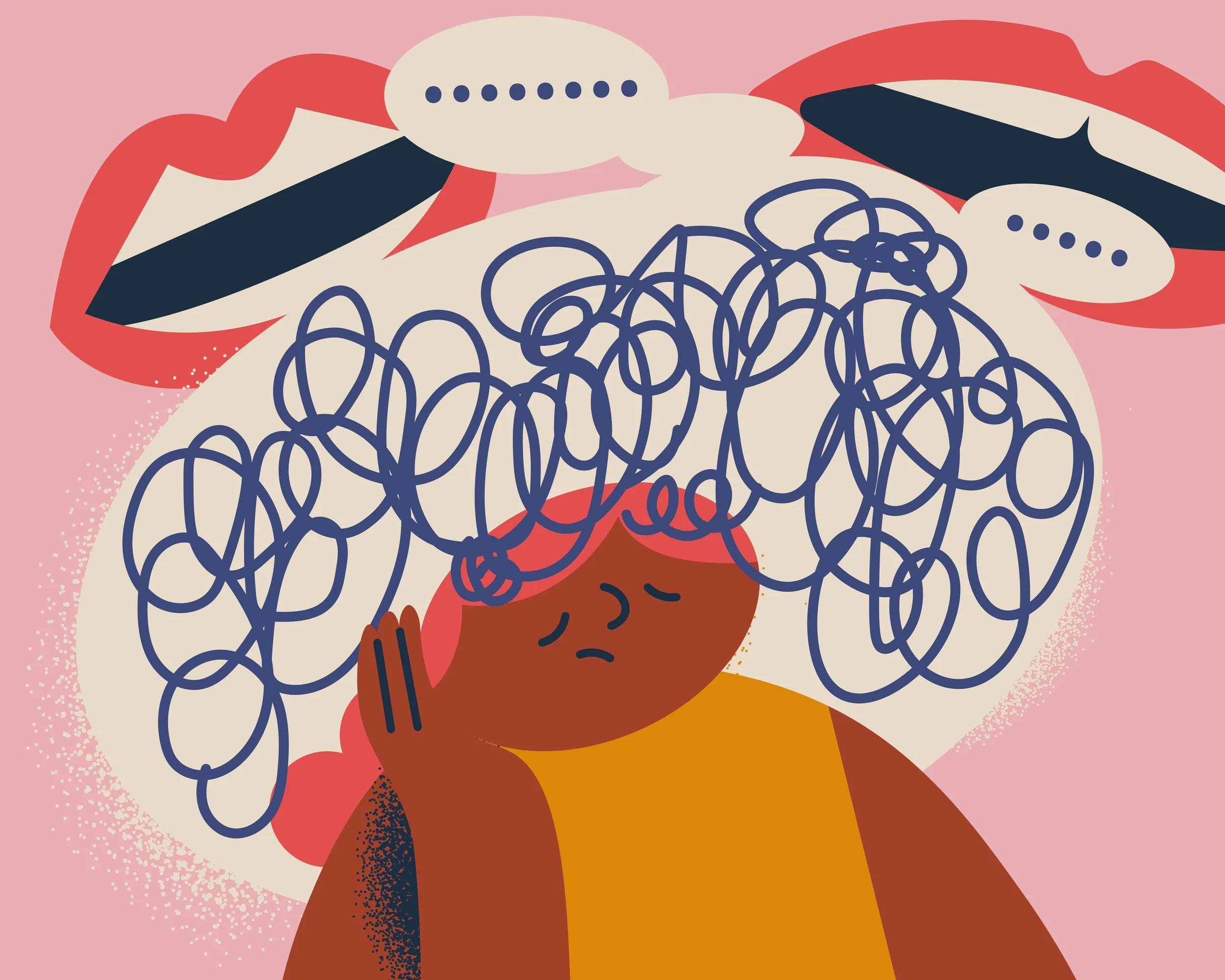
Florence Nightingale was burning. On my Day 1 that became triage. We are told to put on our oxygen masks first. But what happens when you're the only one who knows where the masks are?

The Architecture of Second Acts
We'd mapped our itinerary carefully, but weather narrowed our radius to what stood beside our accommodation. How often do we pause to consider our last days somewhere? A peculiar telescoping of perception, a painful receptivity to detail that transforms the ordinary into the archaeological.
What Fiction Does When We're Not Looking
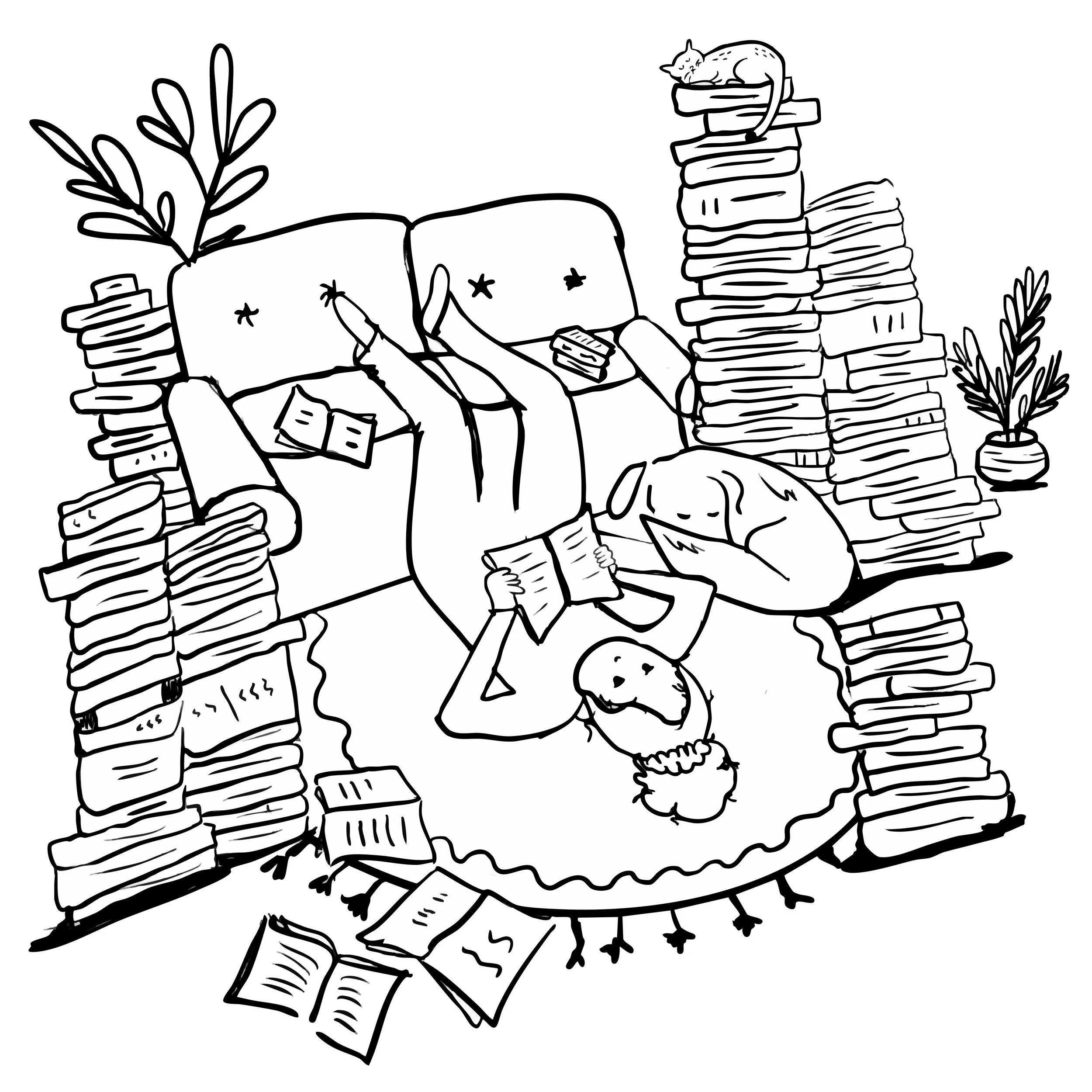
Fiction's capacity to expand moral imagination is also its capacity to colonize it. Every time you inhabit a character, you bring your own architecture of feeling to their experience. You can only understand them through your available emotions. This is why diverse literature matters.

Threshold: The MRT and the Art of In-Between
I want to say something profound about thresholds, about how we're suspended between departure and arrival. But what I'm actually thinking about is whether I positioned myself at the right door. This is the gap between how we think we experience the world and how we actually do.

Waves Within Waves: A Meditation on Fractals, Time, and the Strange Comfort of Pattern
We are creatures of nested time. Your circadian rhythms follow the sun. You move through seasons no calendar marks. Beneath all this, deep time—evolution, continents drifting—there is pattern, recursion; and recognising this anchors us.
On the Fear of Sharing What I Cook
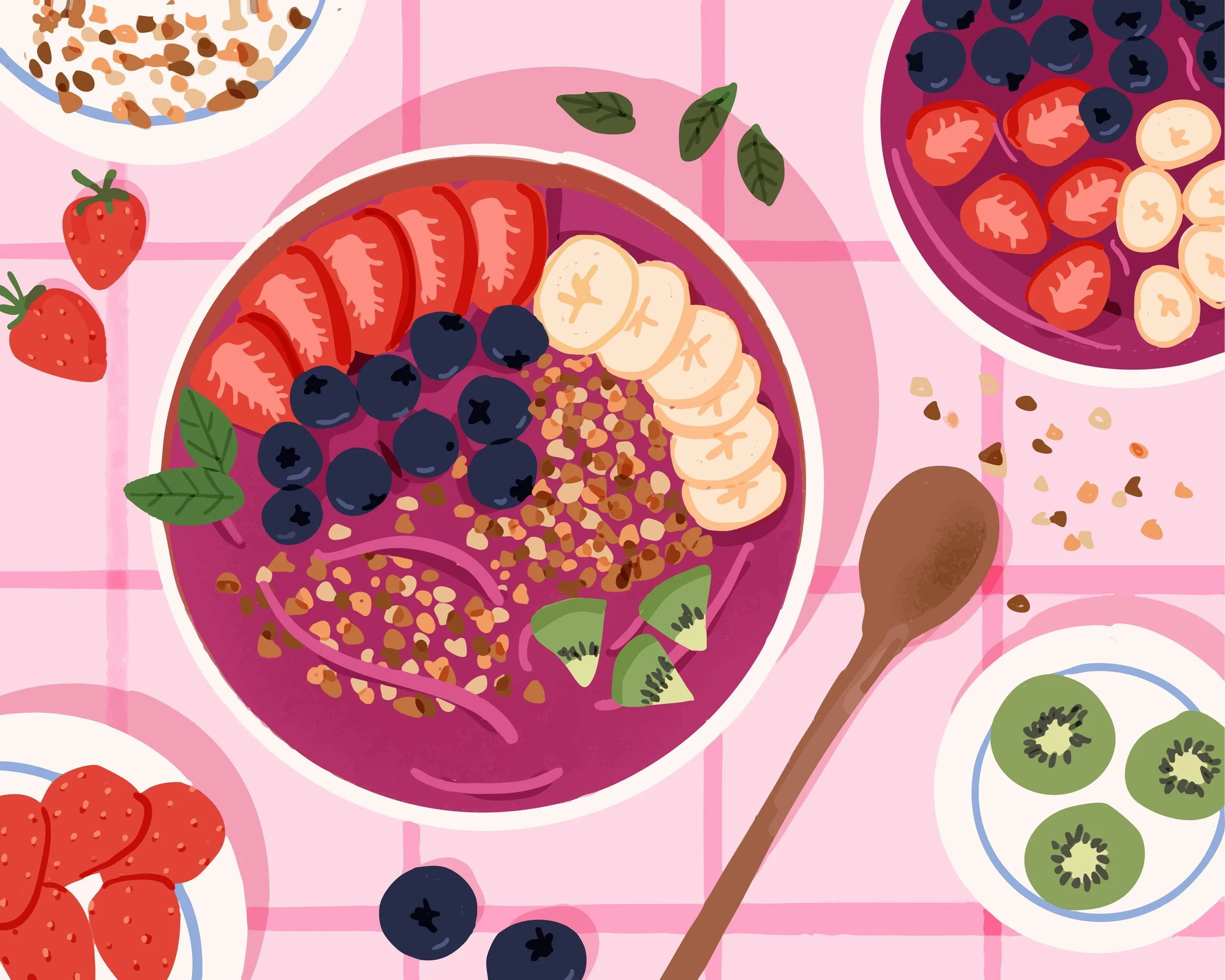
When did amateur become an insult? From the Latin amator: lover. Someone who does something for love of it. The professionalisation of food culture has given us access to knowledge, but it's also made us feel like impostors in our own kitchens.
Parenthood Diaries: On Becoming
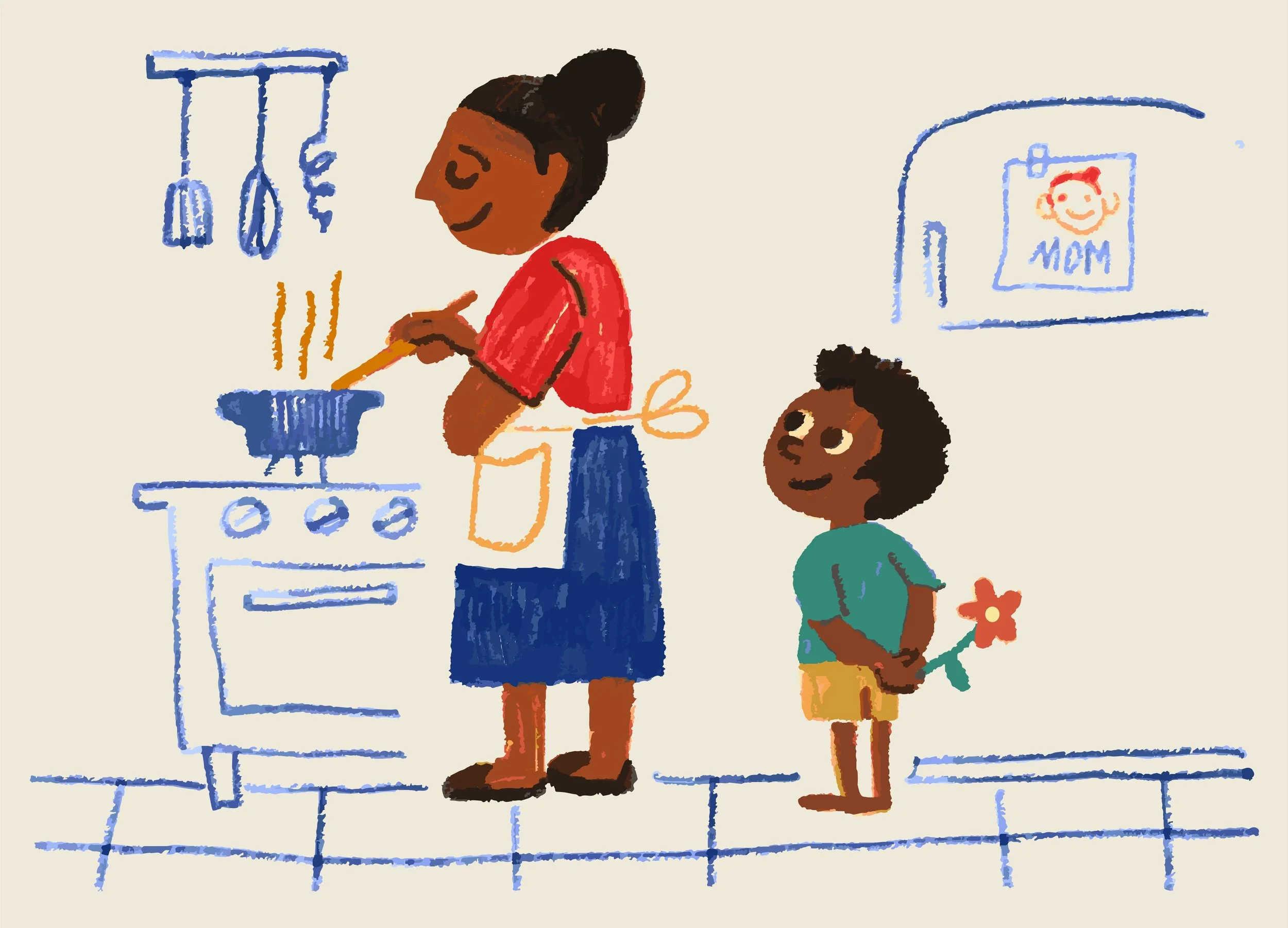
My son spent six years learning what Adrienne Rich called "the geography of fear"—bullied, developing an atlas of avoidance. Then something unexpected: he began reaching toward leadership roles with persistence that baffled me, practicing courage against all his training.
On Solitude and Self-Possession: What We Learn When We Travel Alone
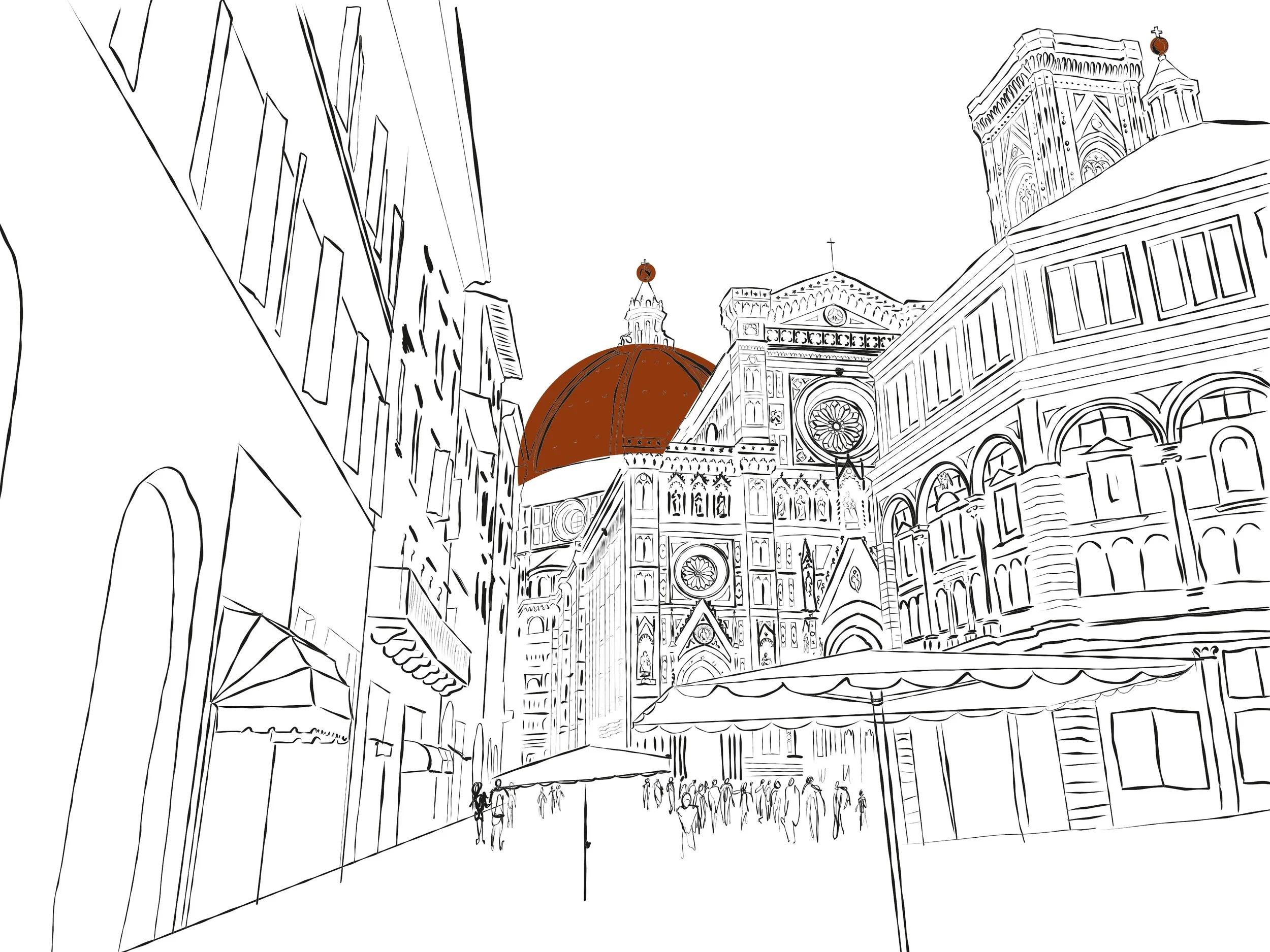
Without conversation, you notice flavour differently. Without accommodation to another person's pace, you discover your own. The focaccia is gone. I have traveled much farther than the distance from my hotel.
I Hate Love Poems (Mostly)
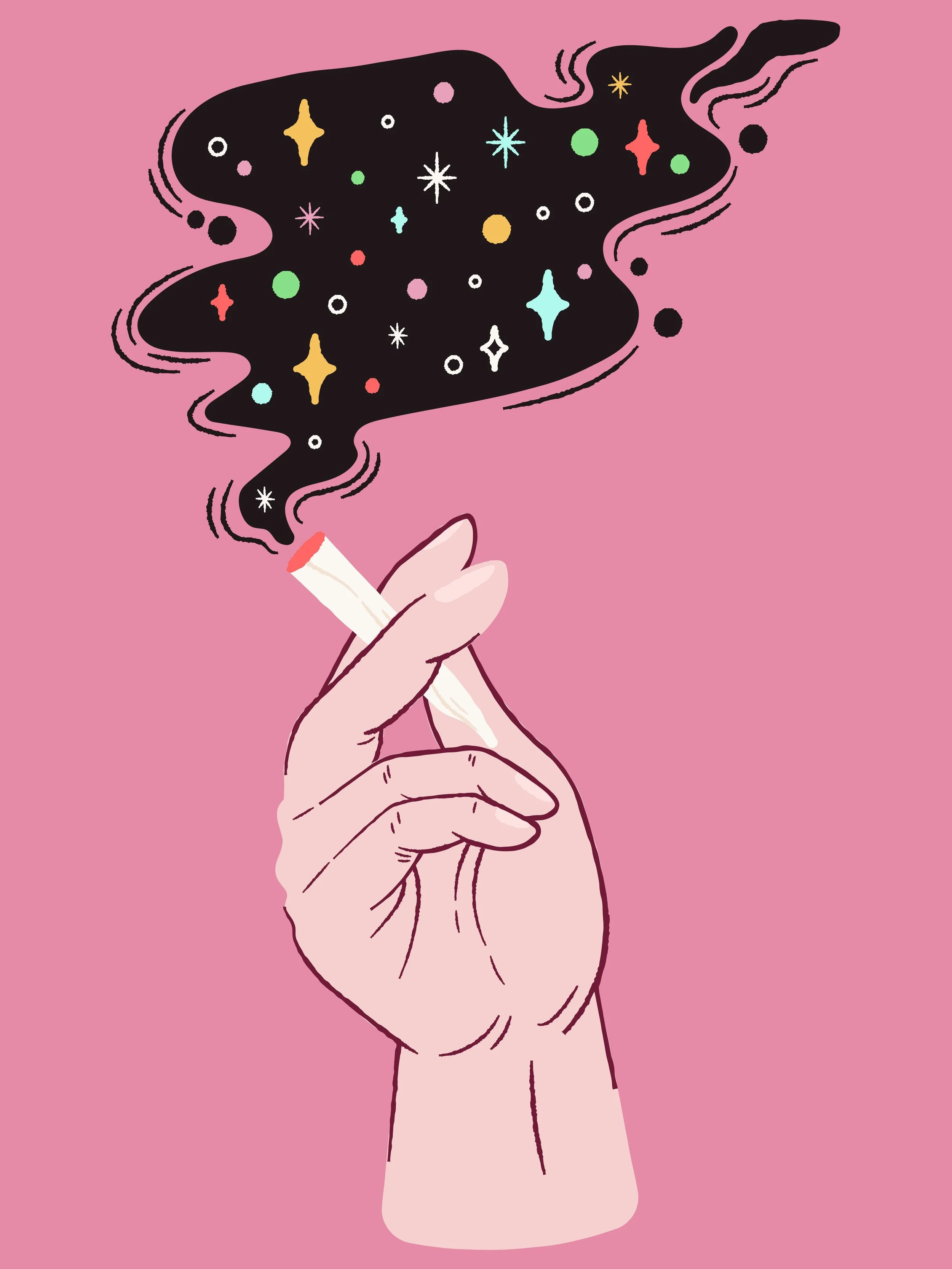
Perhaps what I'm describing is simply the movement from romanticism to realism, from the aesthetics of intensity to the ethics of attention. Perhaps it is only that I have loved and been loved enough times to know that the experience bears little resemblance to its representations.
The Necessary Interruption: On Adult Gap Years and the Architecture of a Meaningful Life
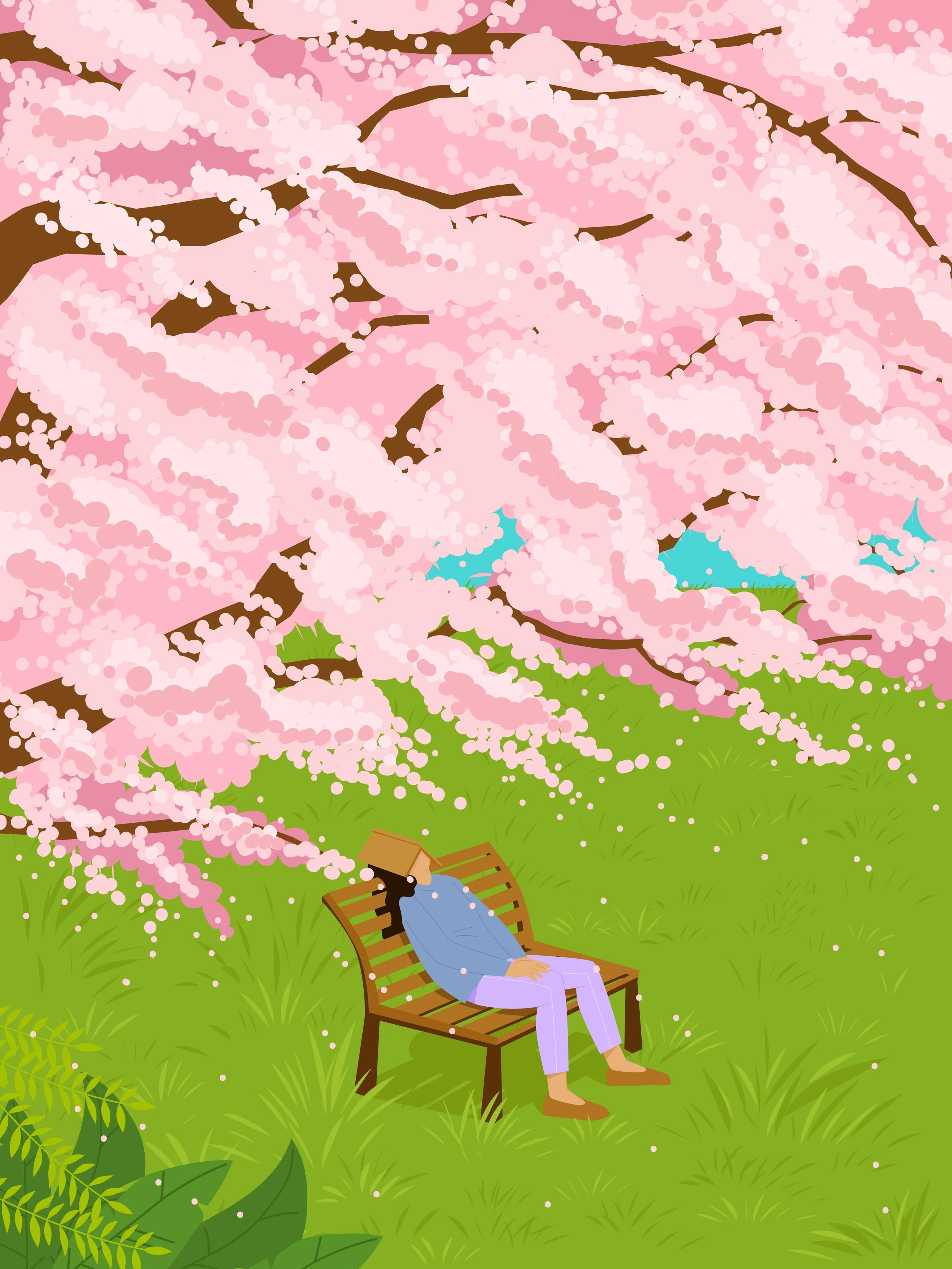
We have no generous vocabulary for pauses in adult life. We never call them necessary, never sacred. But what if our lives, like fields, need seasons of rest? What if the gap isn't empty but essential? The rest between notes that makes music music.
On Returning
After thirty years, I've learned journaling isn't about capturing life but about the practice of presence itself—and I'm returning to share that uncertainty.